Learning about Spanish culture through my taste buds!
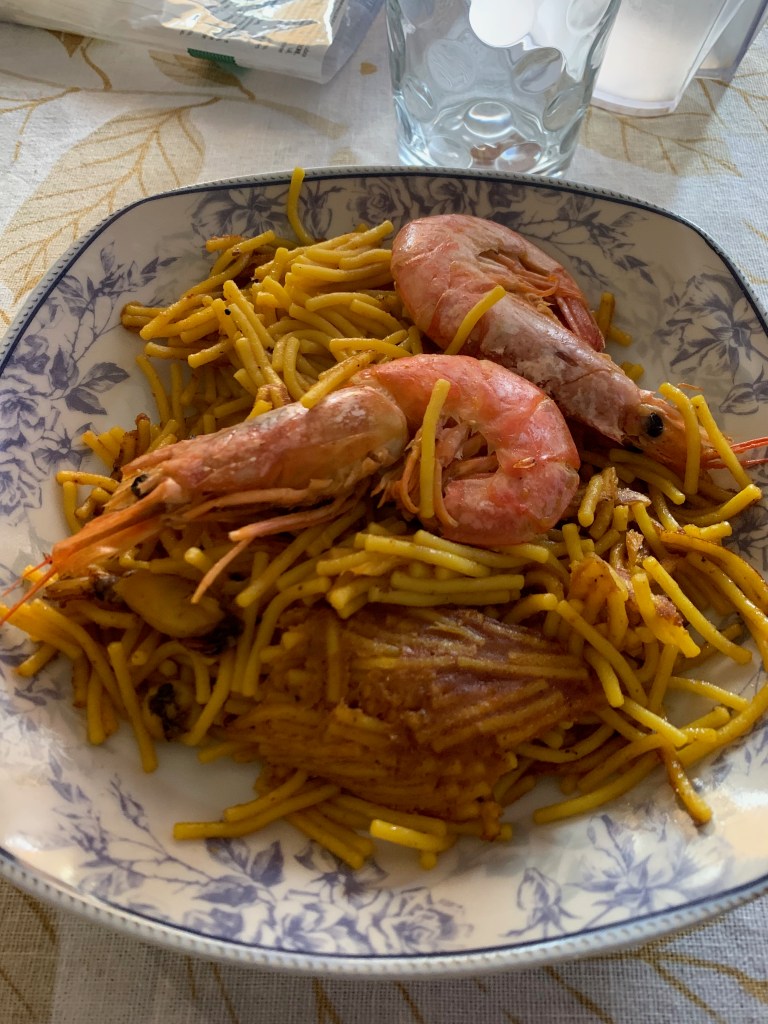
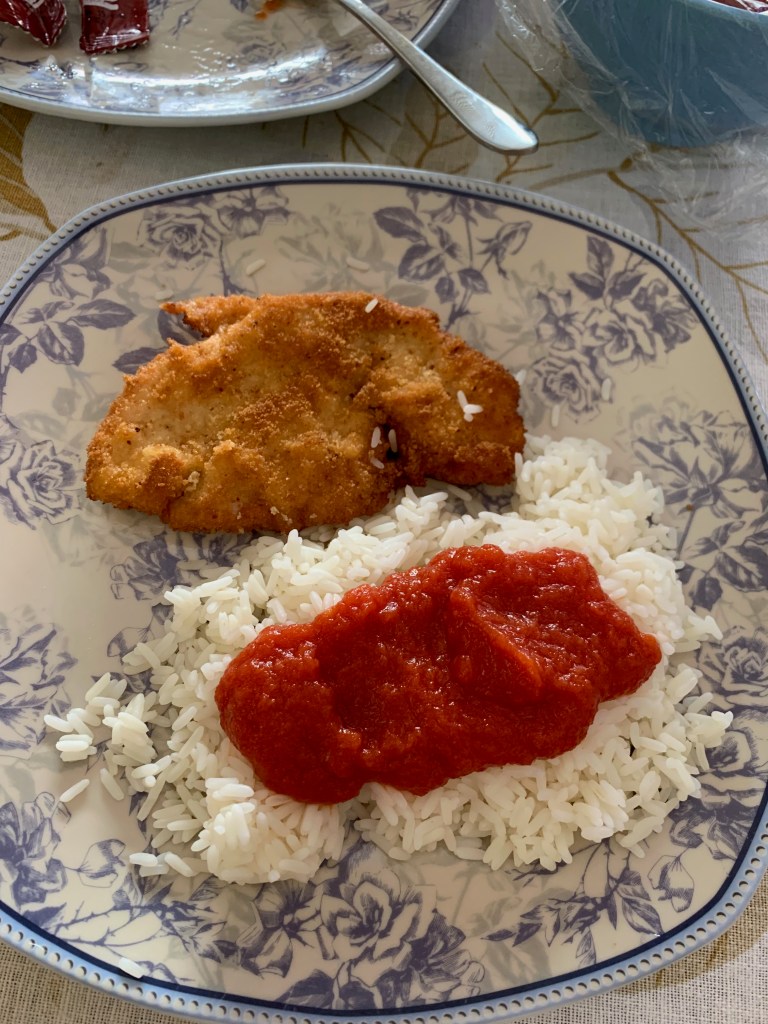
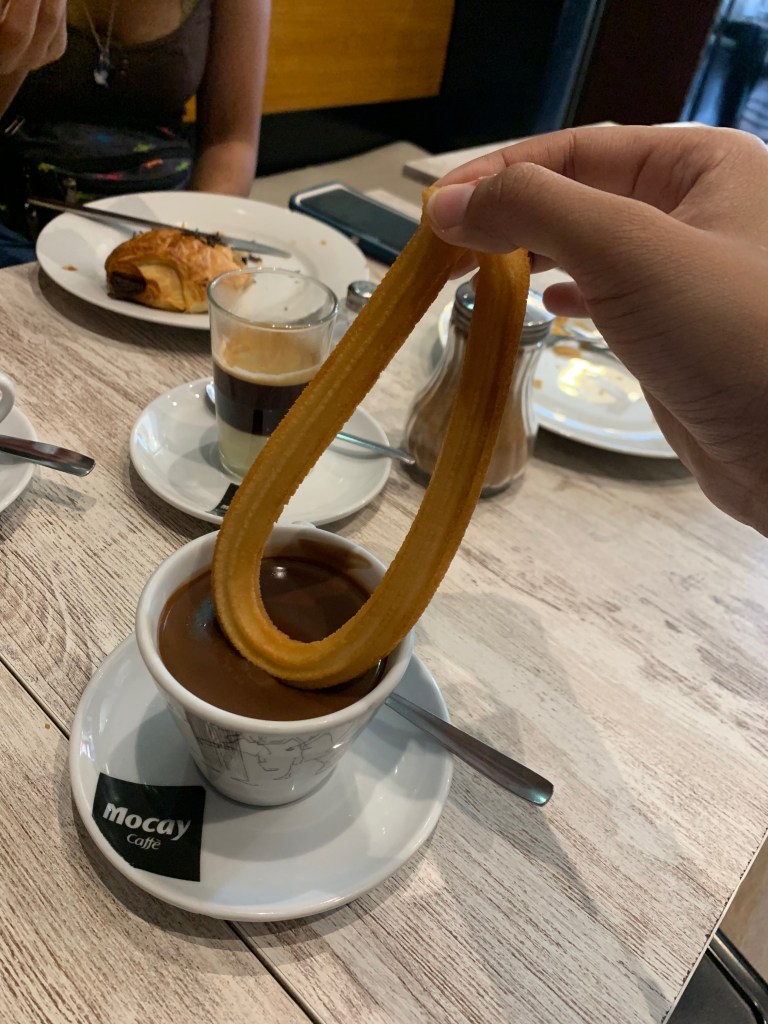
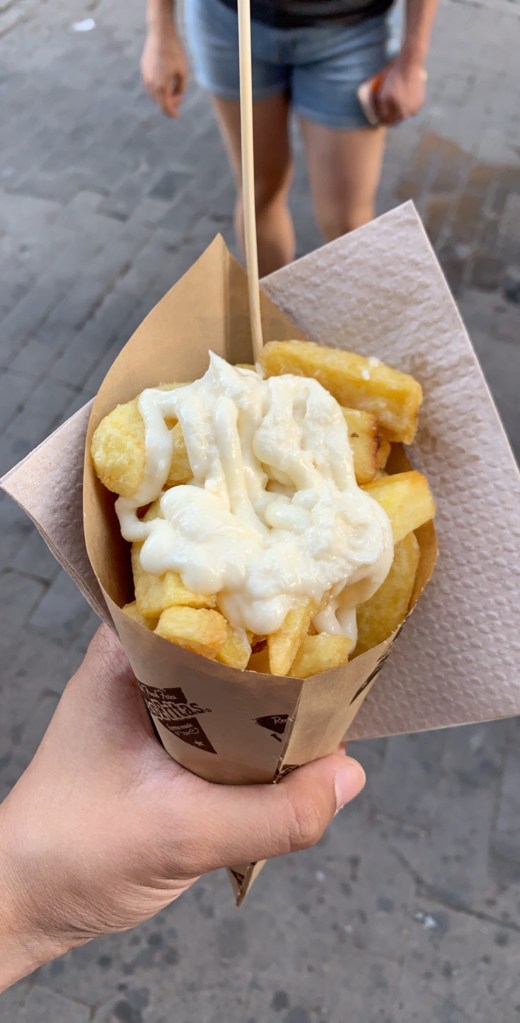
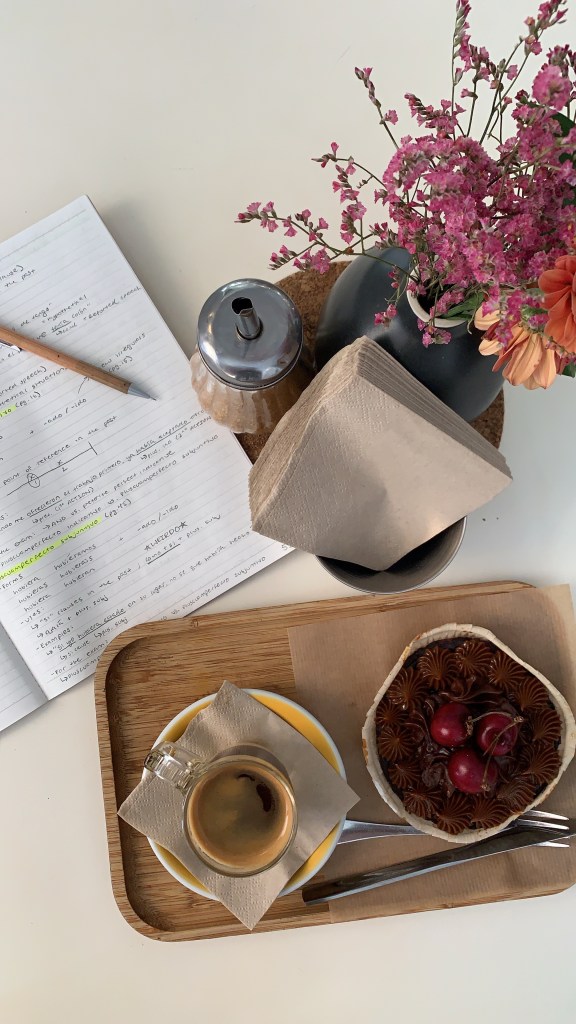
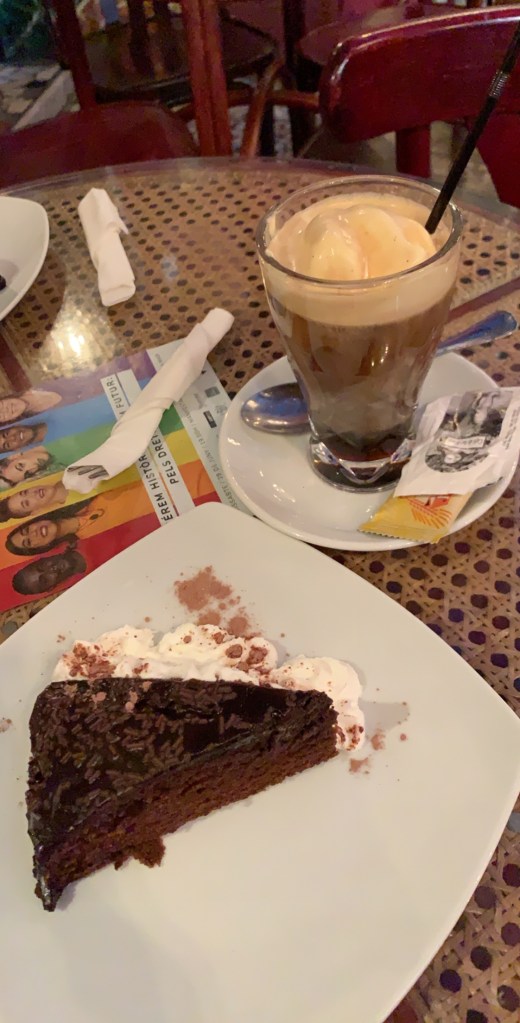
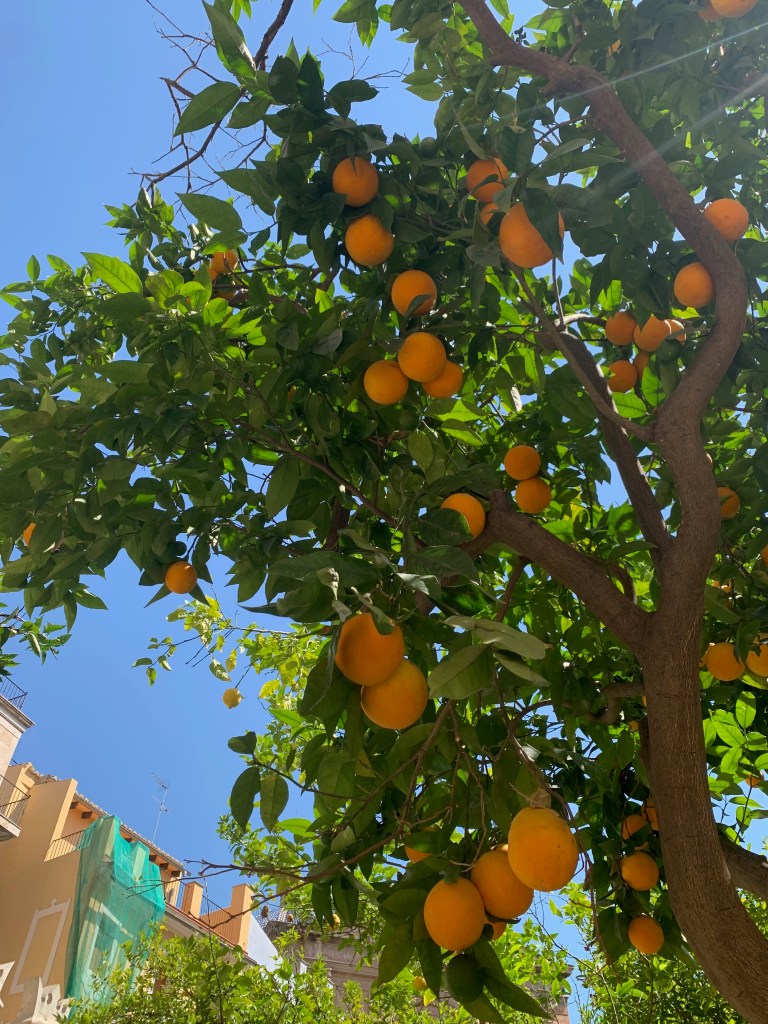
1: Seafood fiduea (eaten with my host family) 2: Chicken cutlet and rice with tomato sauce (eaten with my host family) 3: Churros con chocolate (Madrid) 4: Fries with garlic aioli sauce (Valencia in the Plaza de La Reina) 5: Café bombón and ganache (Valencia; Dulce de Leche) 6: Chocolate rum cake and iced boozy coffee (Valencia; Cafe de Las Horas) 7: Valencian oranges!
Another great way to learn about the culture of any place is the food whether it’s the type of food, how certain foods are prepared, or the ways food is eaten.
I think that it is only appropriate to start of the Valencian food post with paella. Paella is a Spanish dish that originated in Valencia and is a rice and meat/vegetable dish that is cooked for a long time and usually shared with at least one other person. Traditional ingredients include short-grain white rice, saffron, green beans and/or artichokes, large white beans, and meat (seafood, chicken, and rabbit are the most common options). According to locals, paella by the beach in Valencia is the best in Spain. I personally only ate paella made by my host mom during my time in Valencia (which was hands-down my favorite thing to eat during my entire study abroad experience), but I also ate a seafood paella in a restaurant in Barcelona (which was good, but not the same).
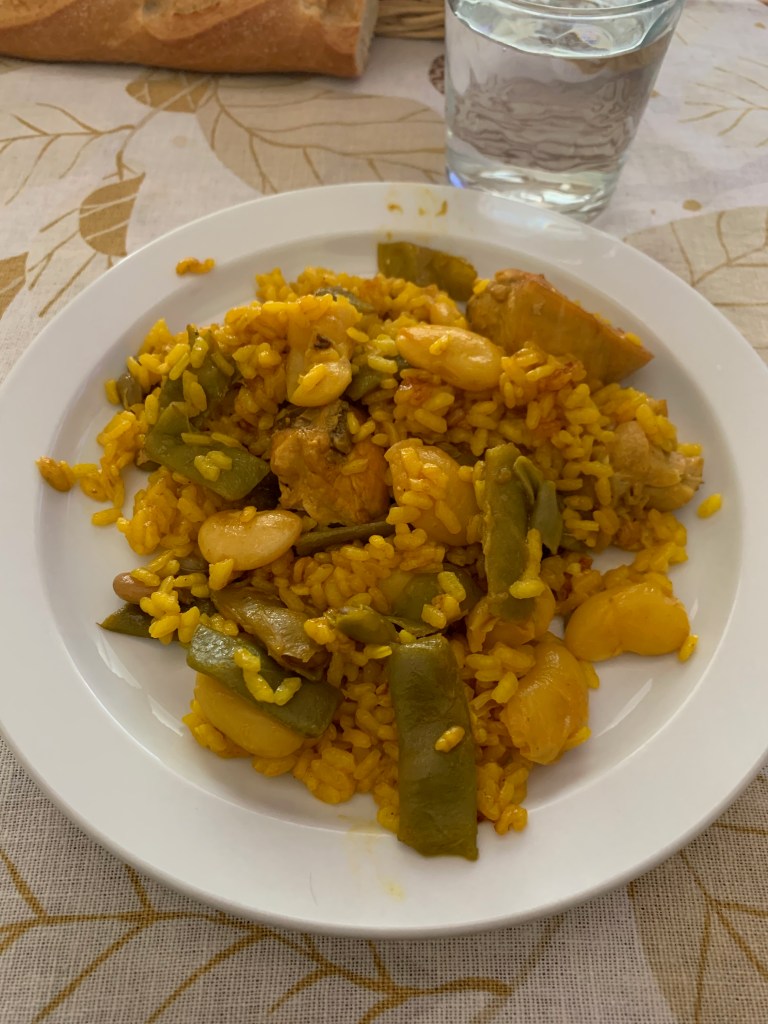
Paella made by my host mom (chicken, beans, and snow peas) 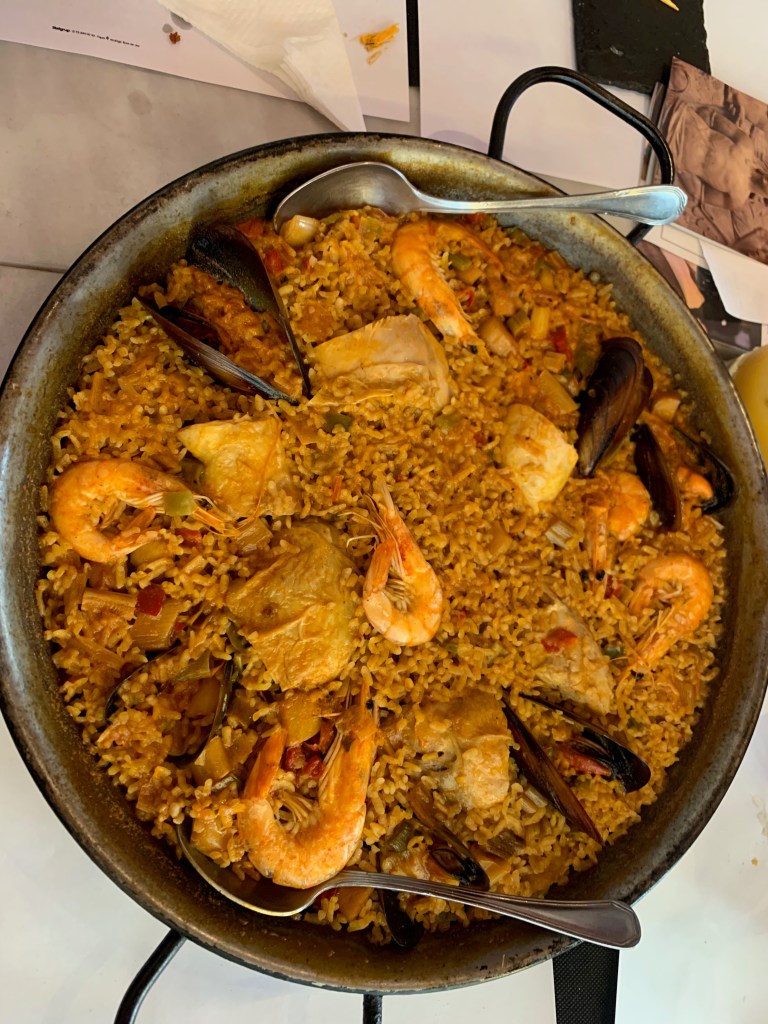
Paella from Barcelona (seafood (shrimp, mussels, and squid) and chicken)
Besides paella, another staple-Spanish food are tapas. Tapas are small dishes that are also usually shared with at least one other person. The best way to eat tapas are to hop different bars or restaurants to have a glass of wine and one or two tapas and then move on to two or three others. It is a very social food and usually not very expensive (between 2 to 6 euros) — for some restaurants you only need to order a glass of wine and a tapas comes with it. Typical tapas dishes include patatas bravas (fried potatoes with aioli sauce and paprika; my personal favorite), fried calamari, vegetable dishes, tortilla (see below), and jamón ibérico.
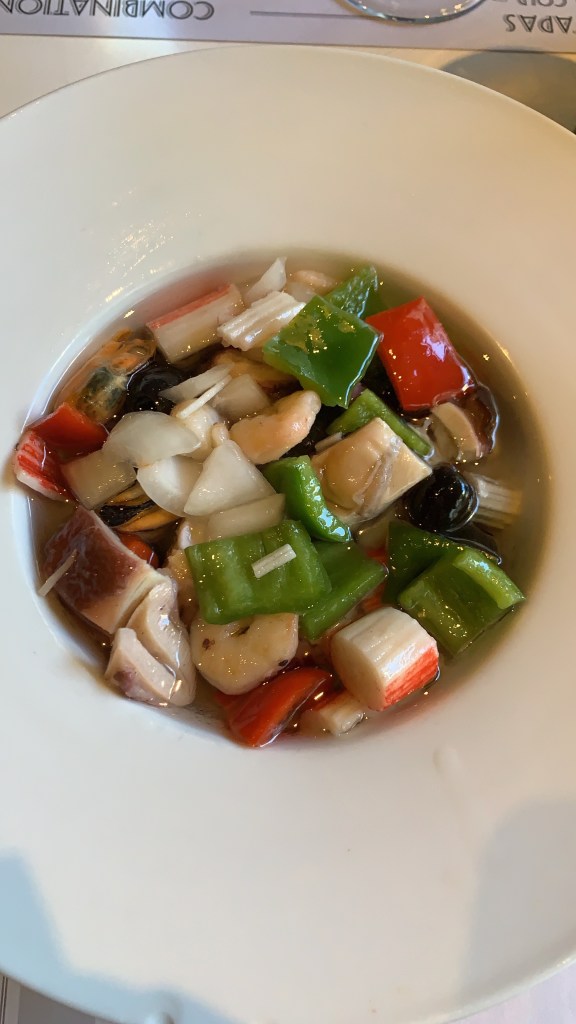
Seafood salad (peppers, octopus, shrimp, artificial crab, and bell peppers in oil) 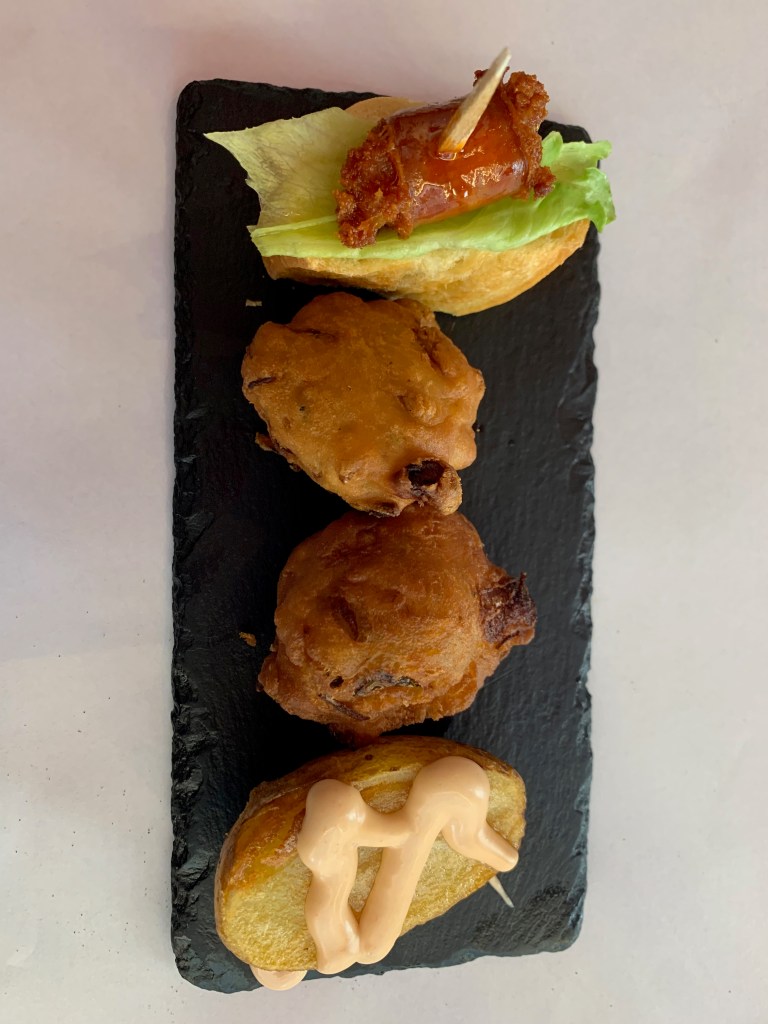
Tapas sampler in Barcelona (sausage on baguette, croquettes, and a mini patata brava) 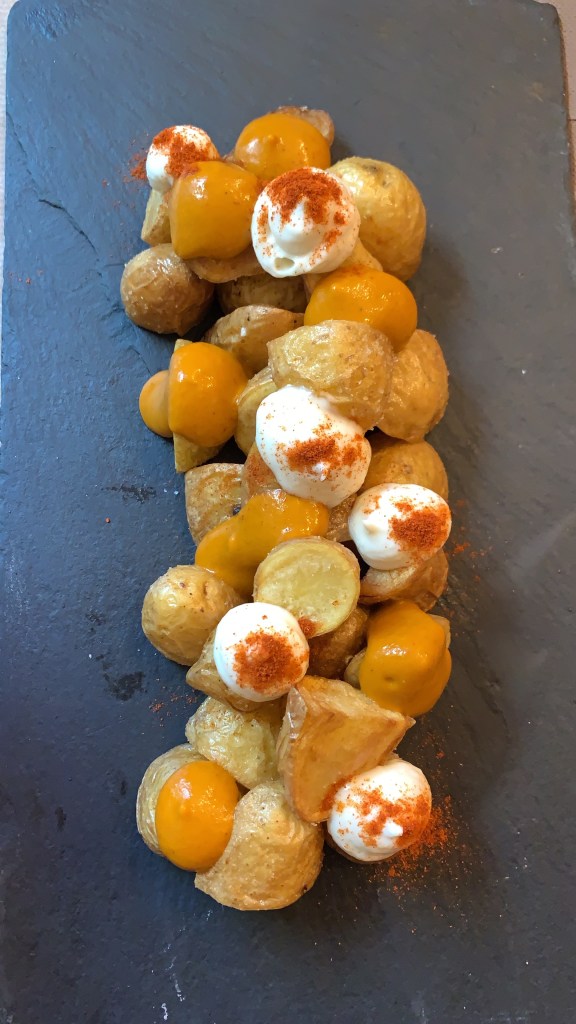
Patatas bravas (the white and golden dots are aioli sauce with paprika)
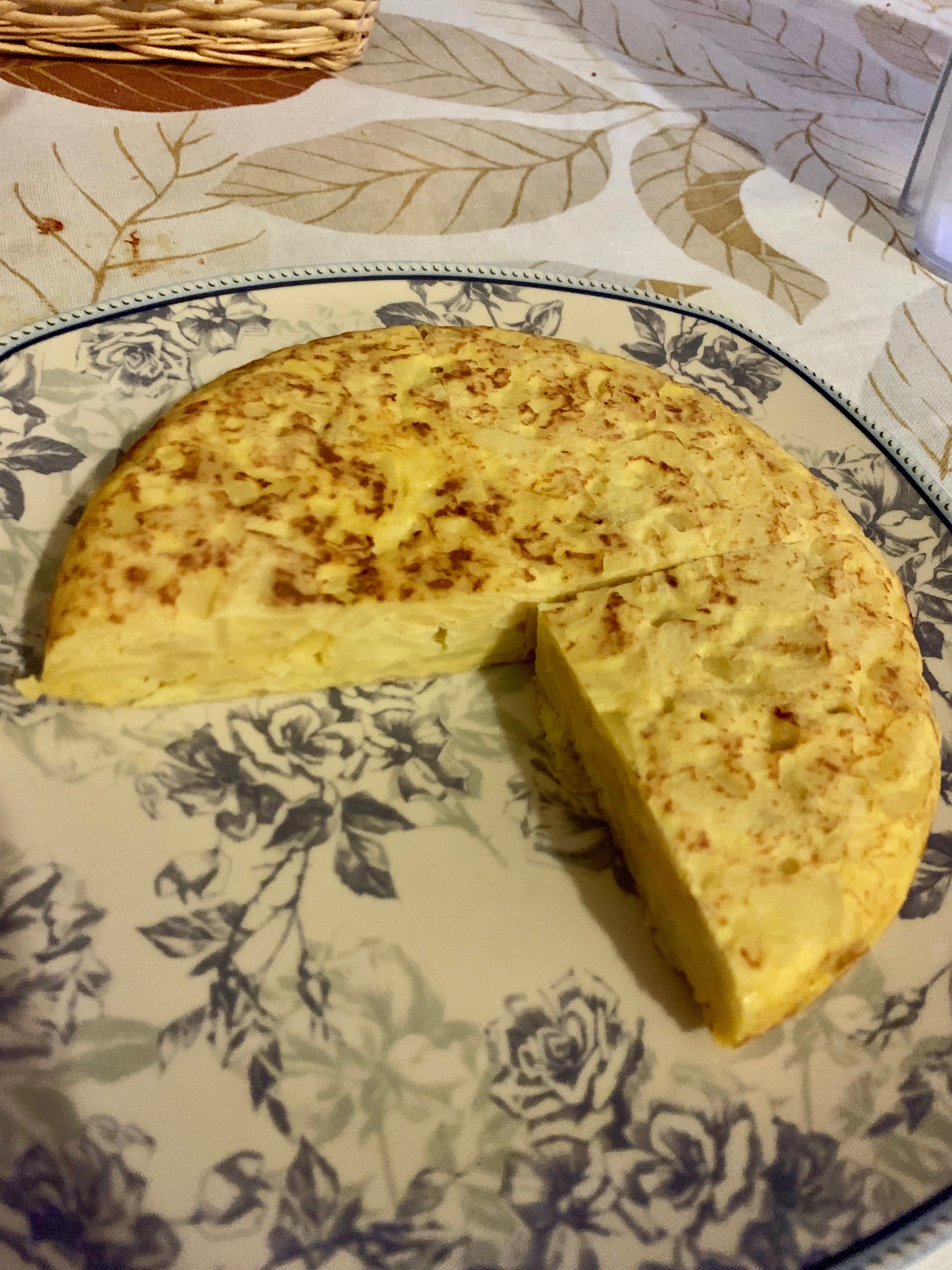
Another common food is tortilla, which is not the South American flour or corn bread. Tortilla in Spain is an egg-based dish (similar to frittatas or omelettes) that traditionally has potatoes and onions in it. It is usually a cooked in a pan with high sides and is cut to share for lunch or dinner. I only ate tortilla cooked by my host mom, but I did see tortilla on the menu for many restaurants in Spain.
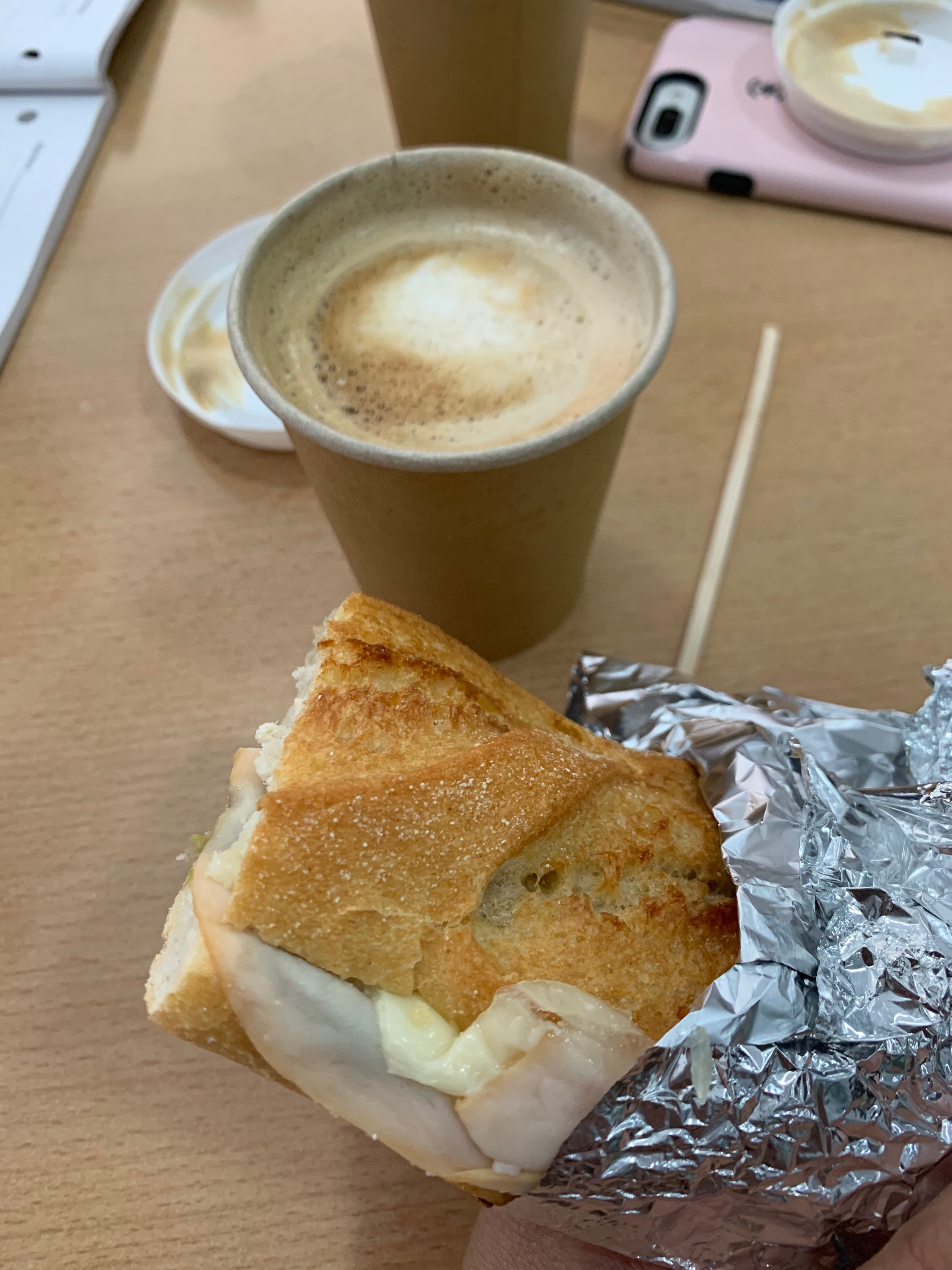
A less time-consuming food that I ate a lot in Valencia were bocadillos. Bocadillos are simply sandwiches made with baguettes and usually stuffed with jamón ibérico, turkey or chicken deli meat, and/or cheese. The most traditional ones had jamón ibérico and maybe manchego cheese, and some out-there ones had fried calamari or tortilla inside. This is a typical comida para llevar (lunch to go) that is wrapped in aluminum foil and eaten on the beach or on the go!
A bonus commentary that I have is on the coffee in Spain. Espressos are the most common vessel for caffeine and are either taken straight or with a dash of milk (in cafes, the latter is called “espresso cortado.”) Another common way to take coffee is “cafe con leche” which is simply coffee with steamed milk. One thing that I learned very quickly in my time in Spain is that iced coffee and cold brew is not really a thing; even on the hottest days I would find myself ordering a hot cafe con leche because there were no other options. However, there are a few rare cafes that did serve cold coffees (my personal favorite is Dulce de Leche; Cafe de Las Horas also serves different options of cold coffees but the catch is that all of them have alcohol in them). A special coffee that isn’t really an everyday drink but a must-try is café bombón, which is an espresso poured over condensed milk. Very sweet, but so delicious!
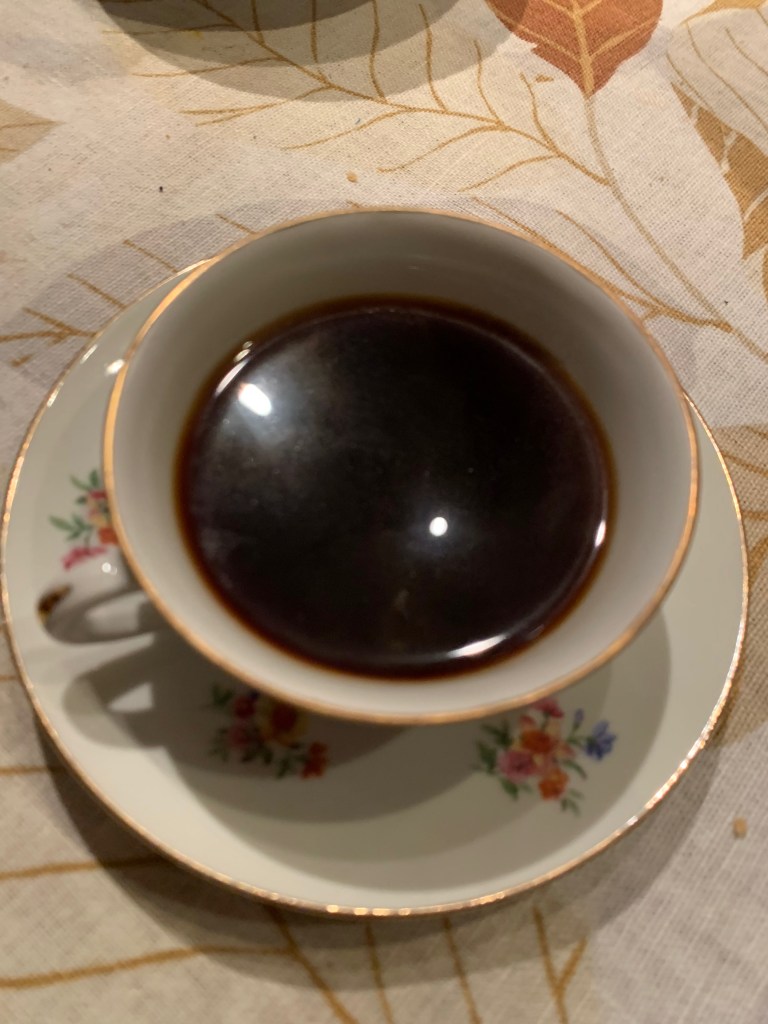
Regular espresso made by my host mom – this is what I drank every day 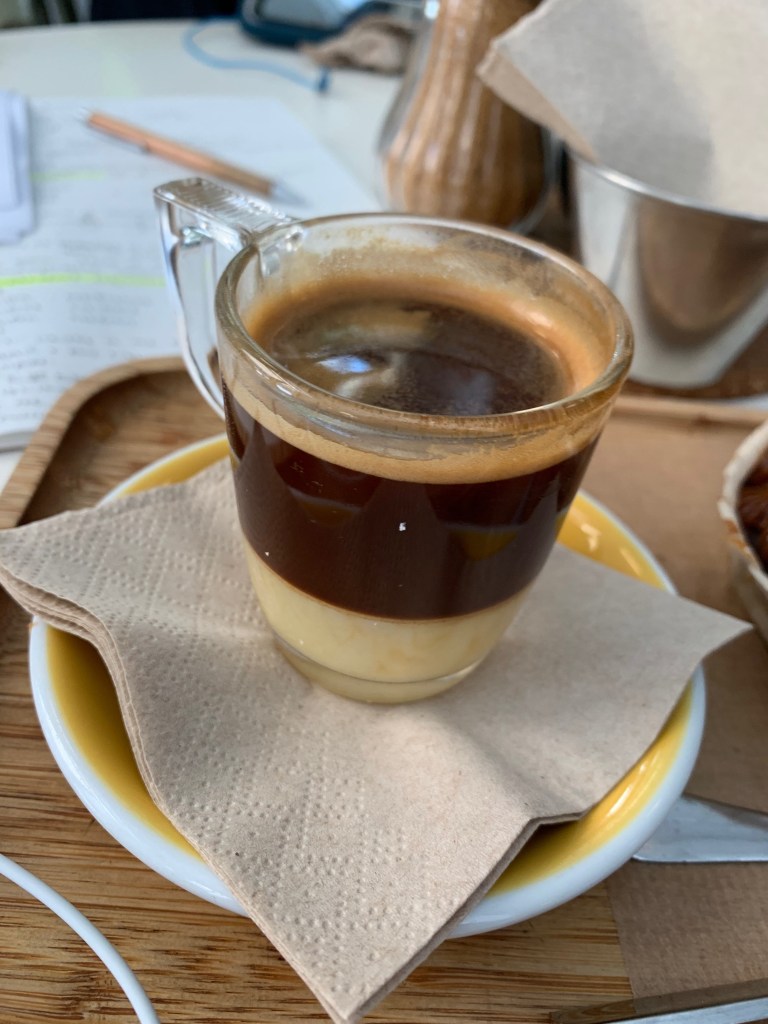
Café bombón from Dulce de Leche
Cultural TL;DR: Try to eat the food that is from the place you’re in! There’s a lot that you can learn about the culture through food whether it’s home-cooked or in a restaurant.
 An American in Valencia