An in-depth take on the museums and landmarks of the city
Even though I had the privilege of getting to know Valencia for a month, it is more typical to only have a few days to explore a city at a time. Below are important landmarks that, to me, summarize the culture of Valencia as well as museums to visit that explicitly show the history of the city. Each place will have my commentary on not only what is noteworthy of these places but also how to go beyond tourism and read beneath what is right in front of you when you travel! Additionally, here is a video project that my friends and I created for our final project on four landmarks in Valencia as well as an interview at the end with one of my friend’s host mother’s father who is from Valencia.
La Catedral de Valencia (and Torre Miguelete): The first thing that you will notice when you step off the bus at the Plaza de La Reina is La Catedral de Valencia. This Gothic-style cathedral actually used to be a mosque, and a small area in the front of the cathedral indicates its Muslim history. Two must-sees in the cathedral: The first is a relic of the preserved arm of Saint Vincent. Like, an actual arm. The second is the Holy Grail. Like, The Holy Grail. It’s a pretty mind-blowing experience going to the Cathedral of Valencia. If you still have energy after your tour of the cathedral, I definitely recommend that you climb El Torre Miguelete which is connected to the cathedral. There are 200+ winding steps up the tower, but at the top is a breathtaking view of the entire city below you. These two landmarks are important staples to the culture and Catholic history of Valencia.
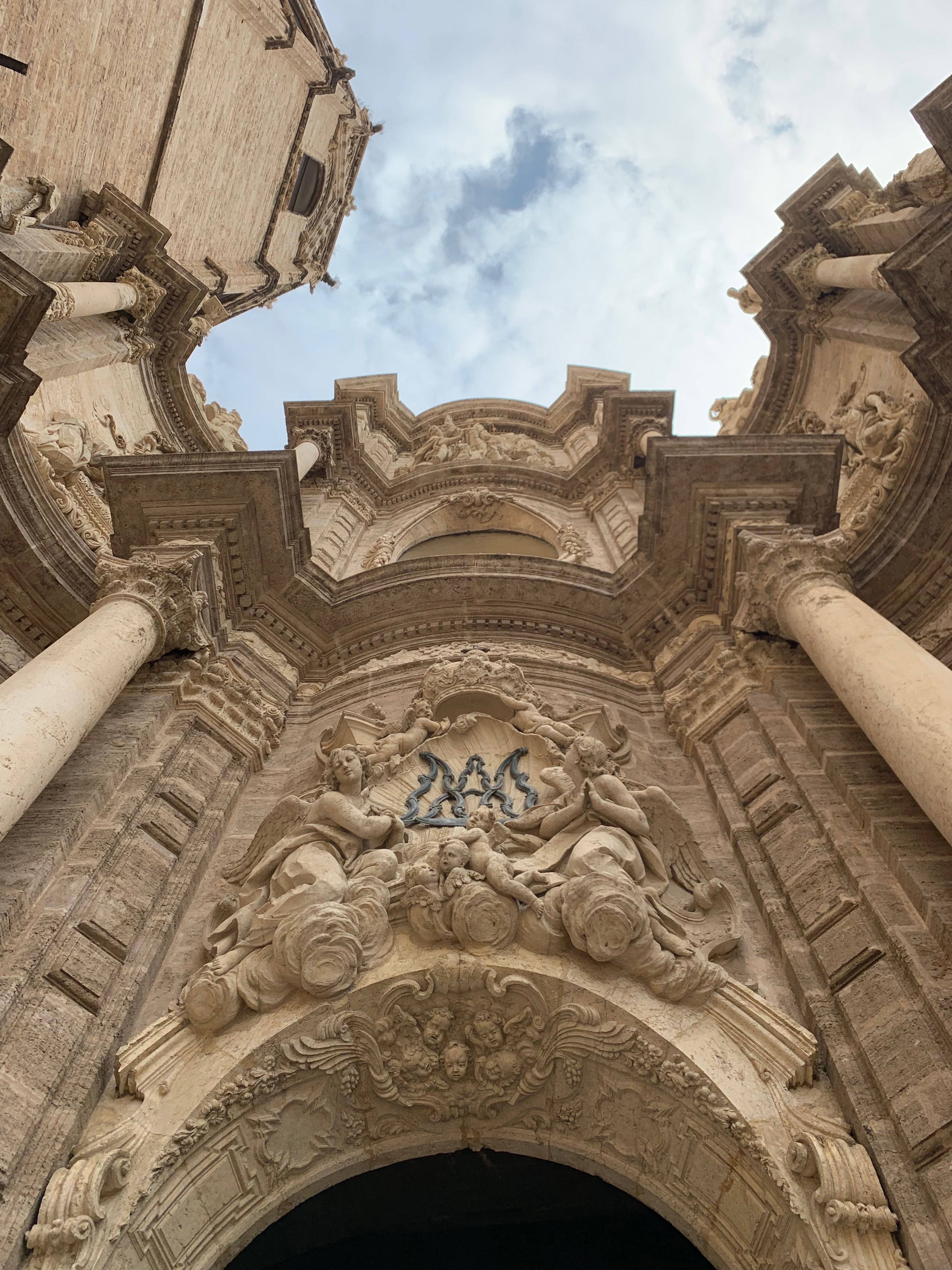
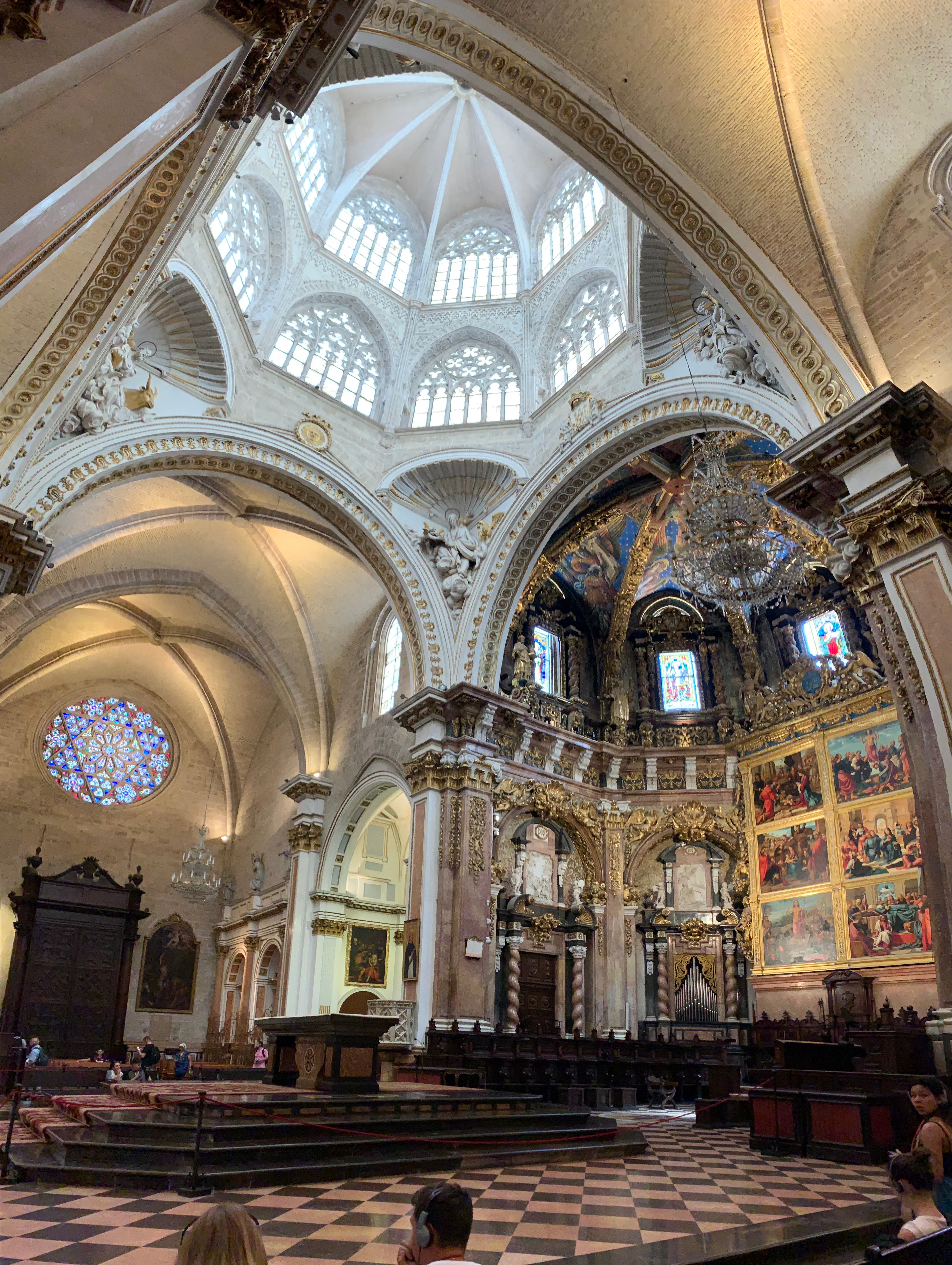
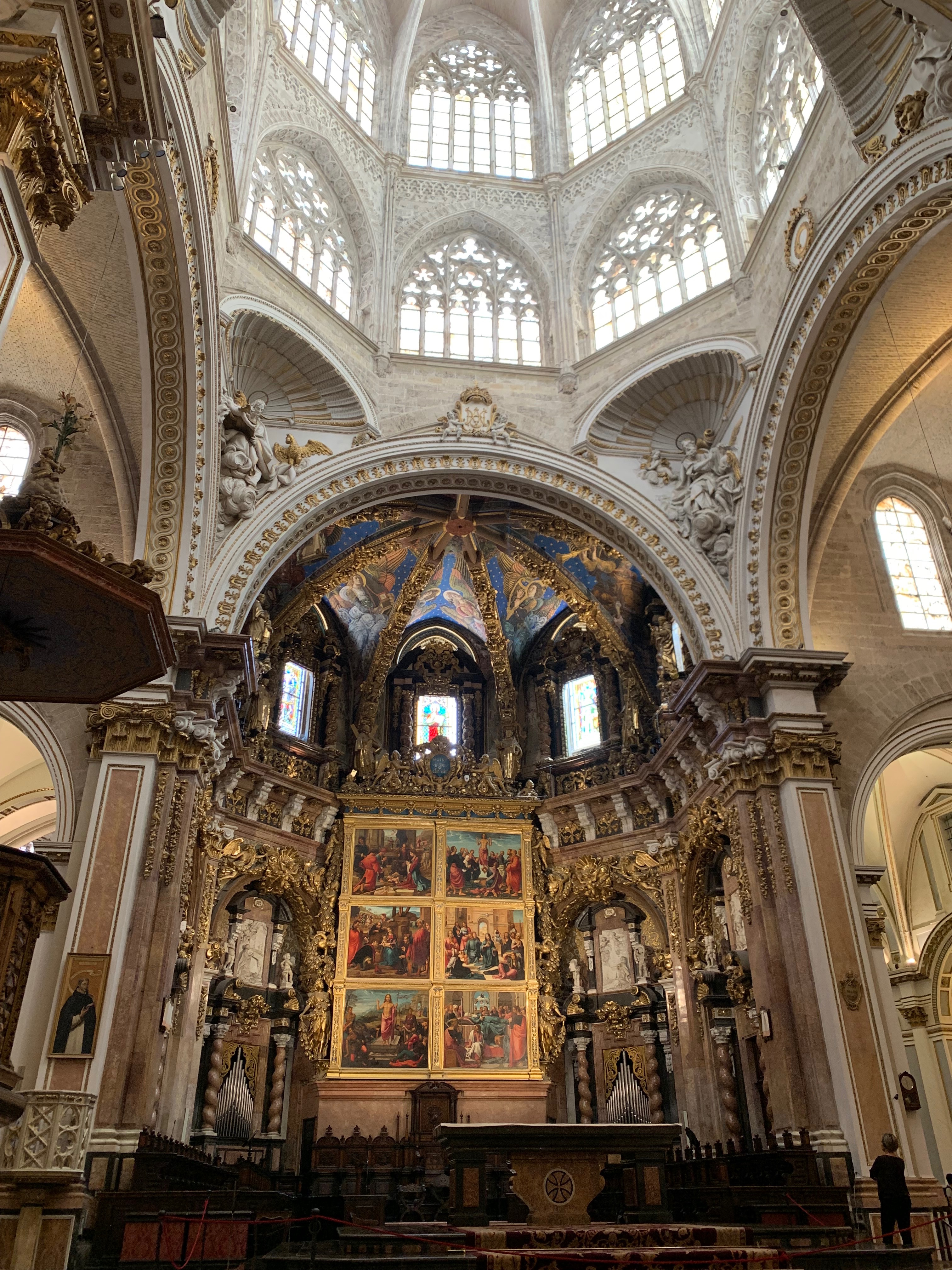
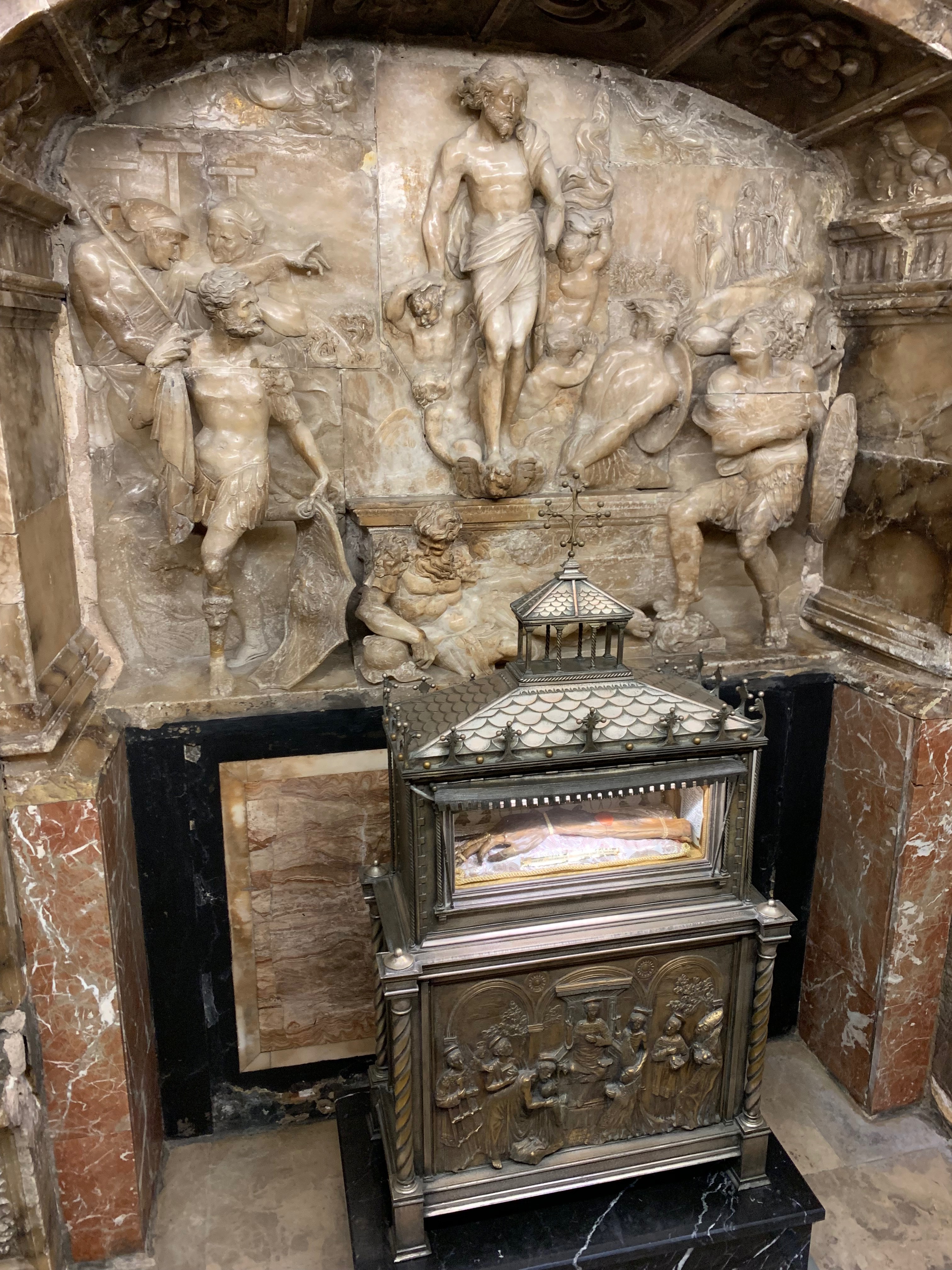
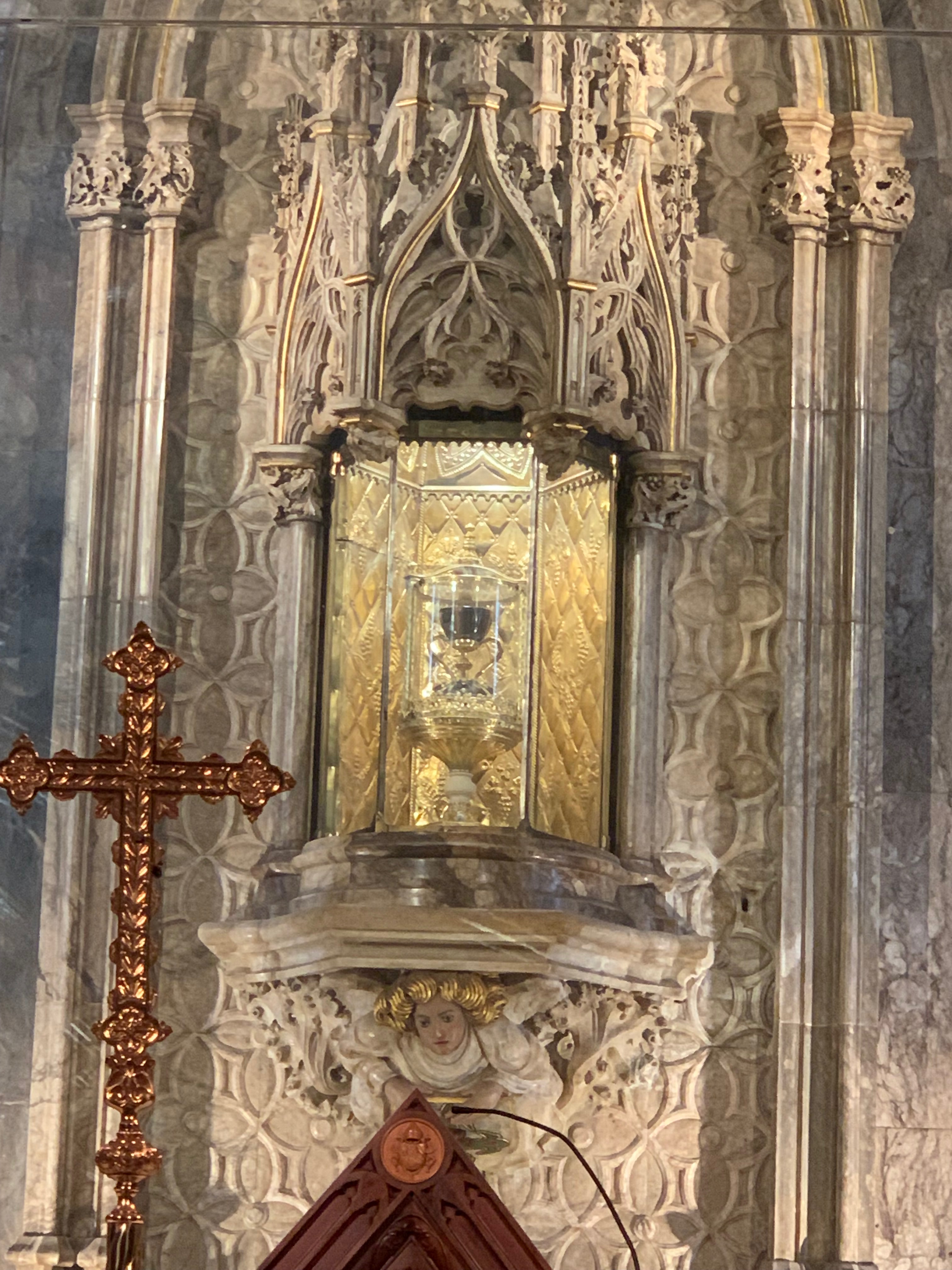
1: Façade of the Valencia Cathedral 2: Inside view of the main area of the cathedral 3: Closer view of the main panels 4: The arm of Saint Vincent 5: The Holy Grail
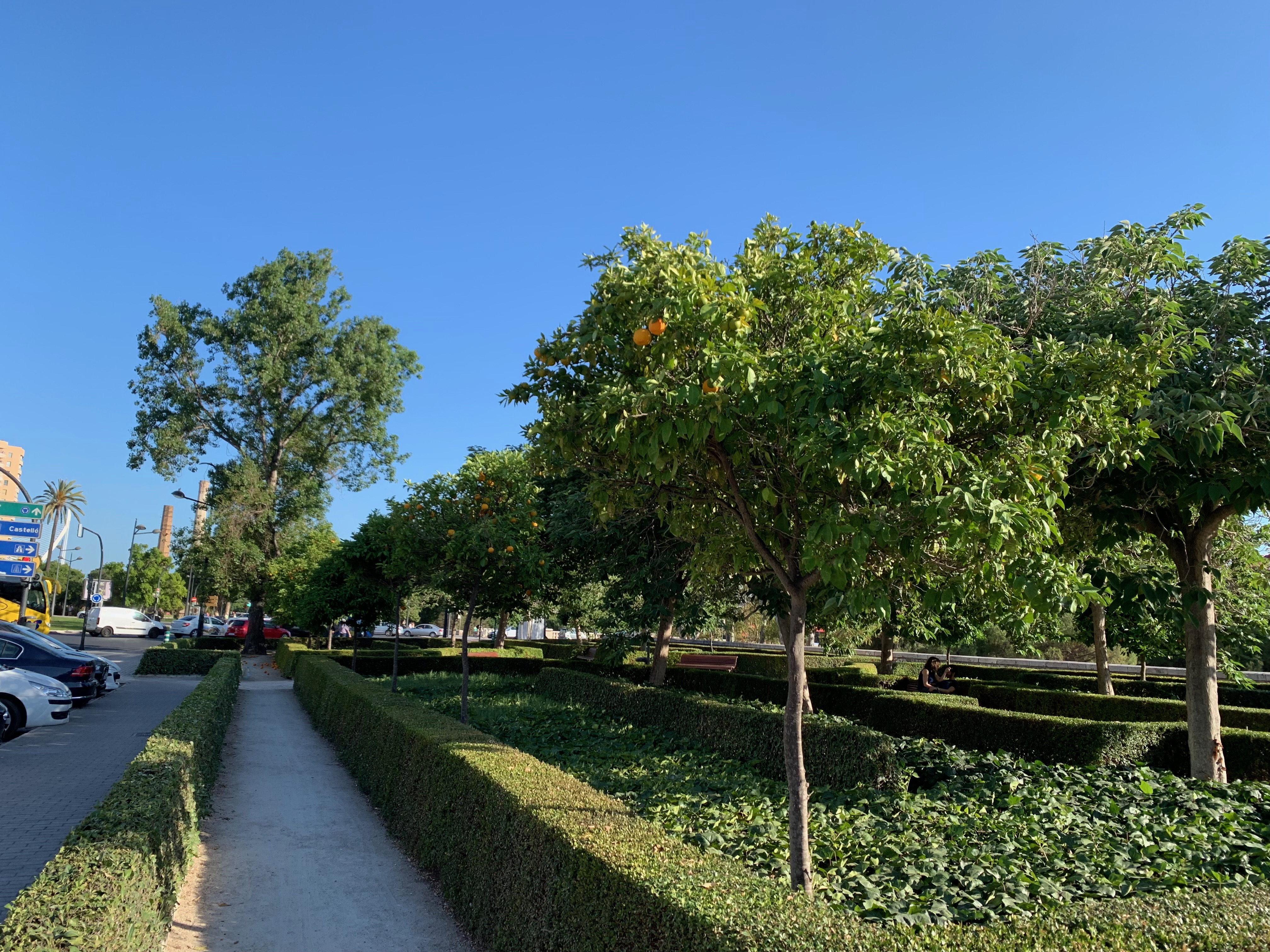
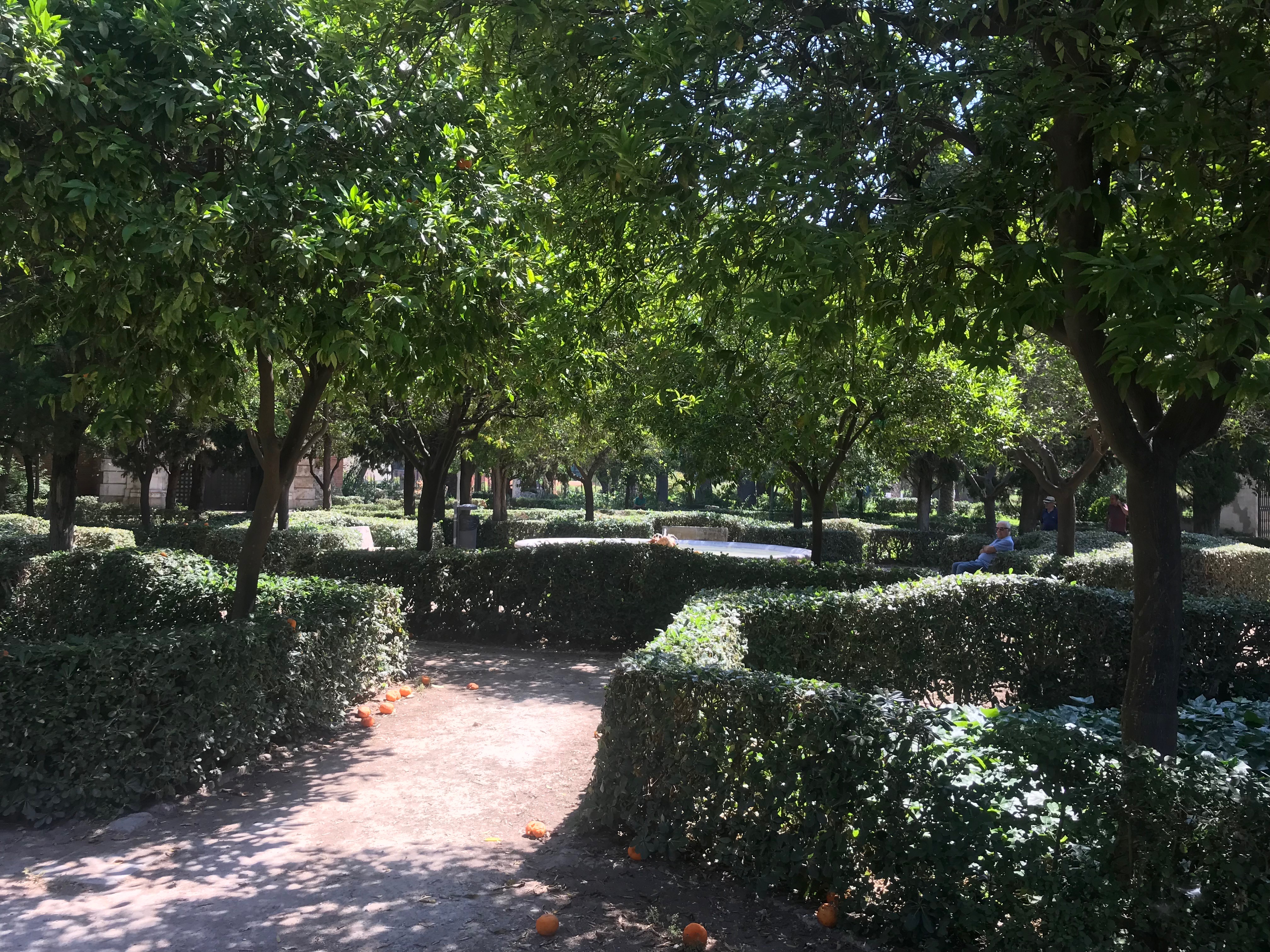
El Río: Turia Gardens, or informally known as El Río, used to be a river that ran through the city but is now a huge public park where people enjoy running, exercising, relaxing, or taking kids to play every day. There are playgrounds for kids and even adults alike to enjoy — a must-see is Gulliver Park, which is a huge structure based off of the book The Story of Gulliver’s Travels. However, some things to be aware of in El Río is that a lot of people enjoy cycling and so you always have to be aware of where you’re walking! Additionally, while Turia Gardens are very safe during the day, it is quite dangerous at night so make your visit there before sundown. Something to appreciate about this area is how it was a government-initiative project and is a huge area for the locals and tourists alike to enjoy for free.
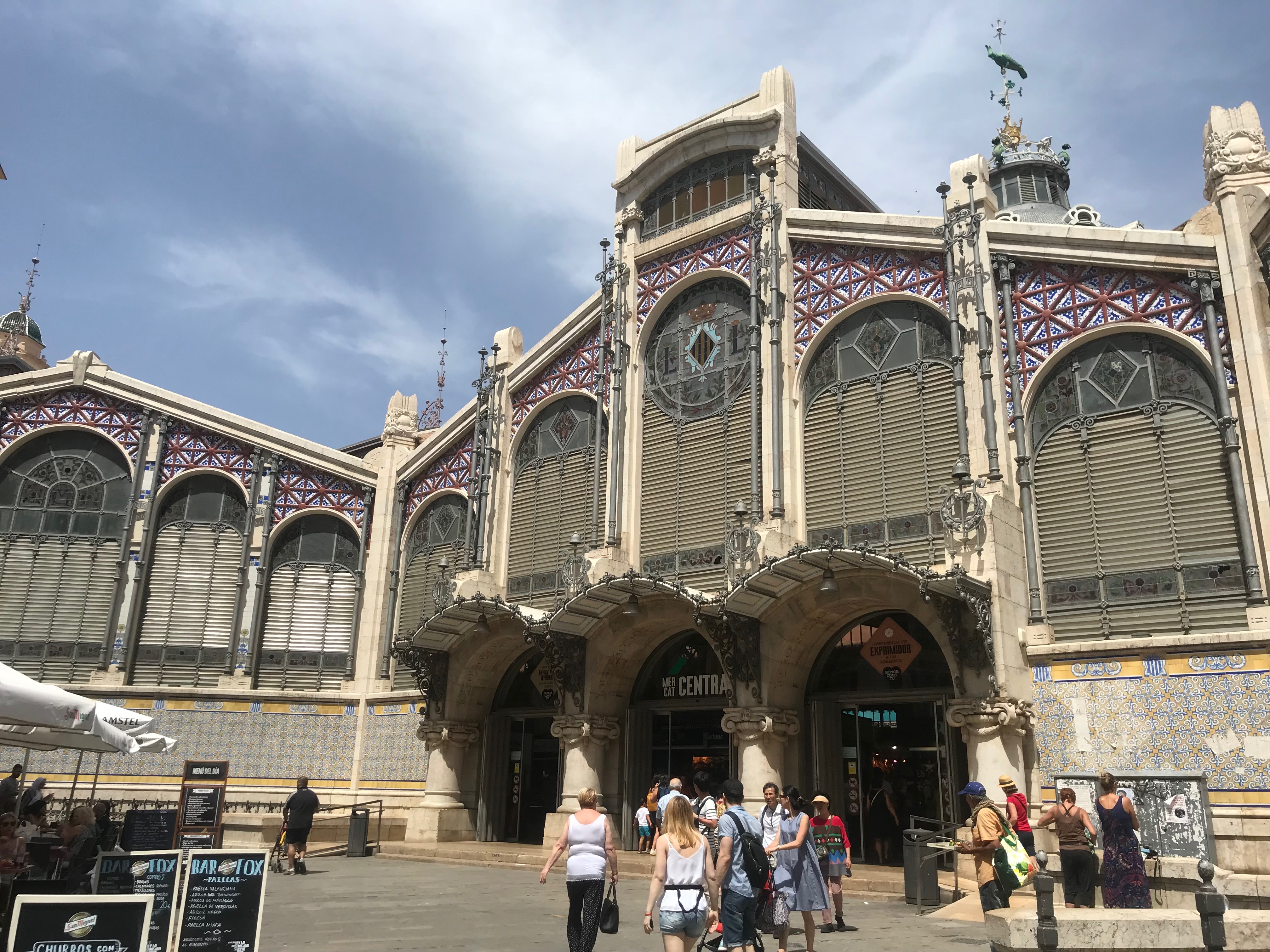
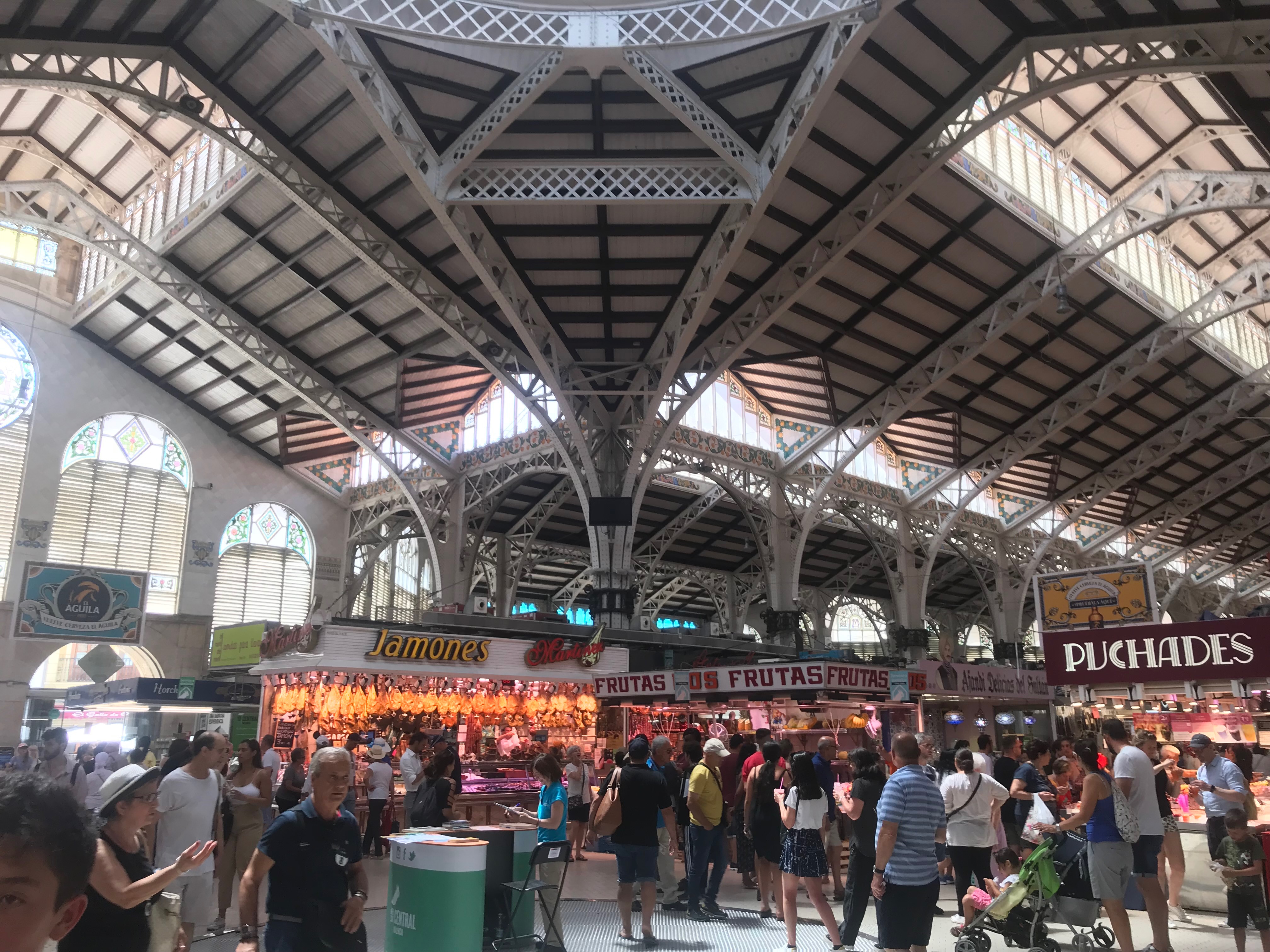
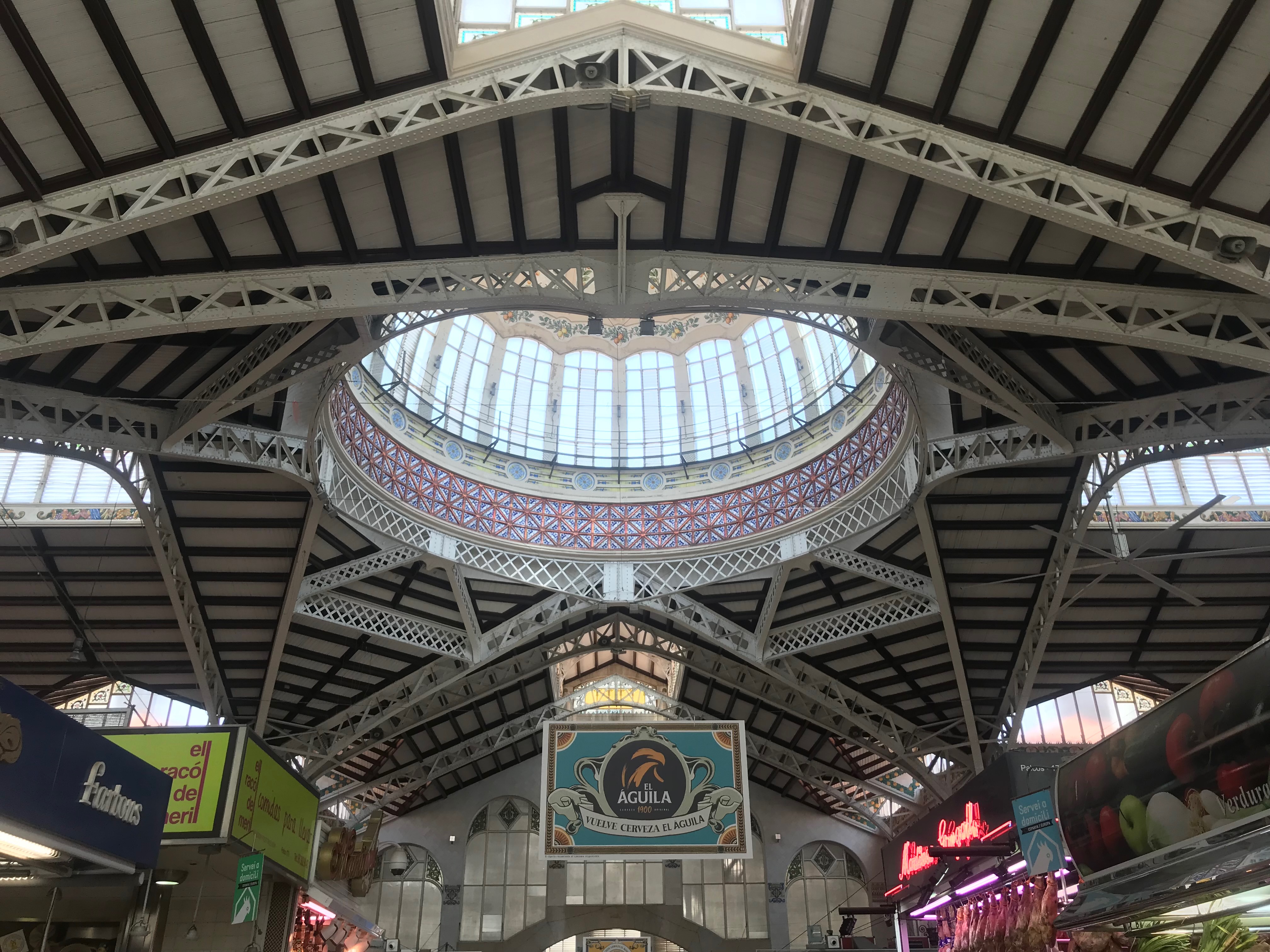
Mercado Central: Mercado Central is one of the biggest open markets in Europe and has hundreds of stands to purchase fruits, vegetables, spices, meat, fish, ceramics, and more. It is a great place to buy groceries or just see the kinds of food that are consumed in Spain. You can also eat and drink prepared foods in the market; juices and smoothies are found in every corner and it is typical to buy a glass of cava and stroll through the stands. Mercado Central is located in the heart of the city and has been Valencia’s main market since the 19th century. Fresh, open markets are quite common in Spain (La Boqueria is another popular market in Barcelona) and the size and liveliness of Mercado Central is to be appreciated as not only the heart of the city, but also as the heart of its gastronomical culture.
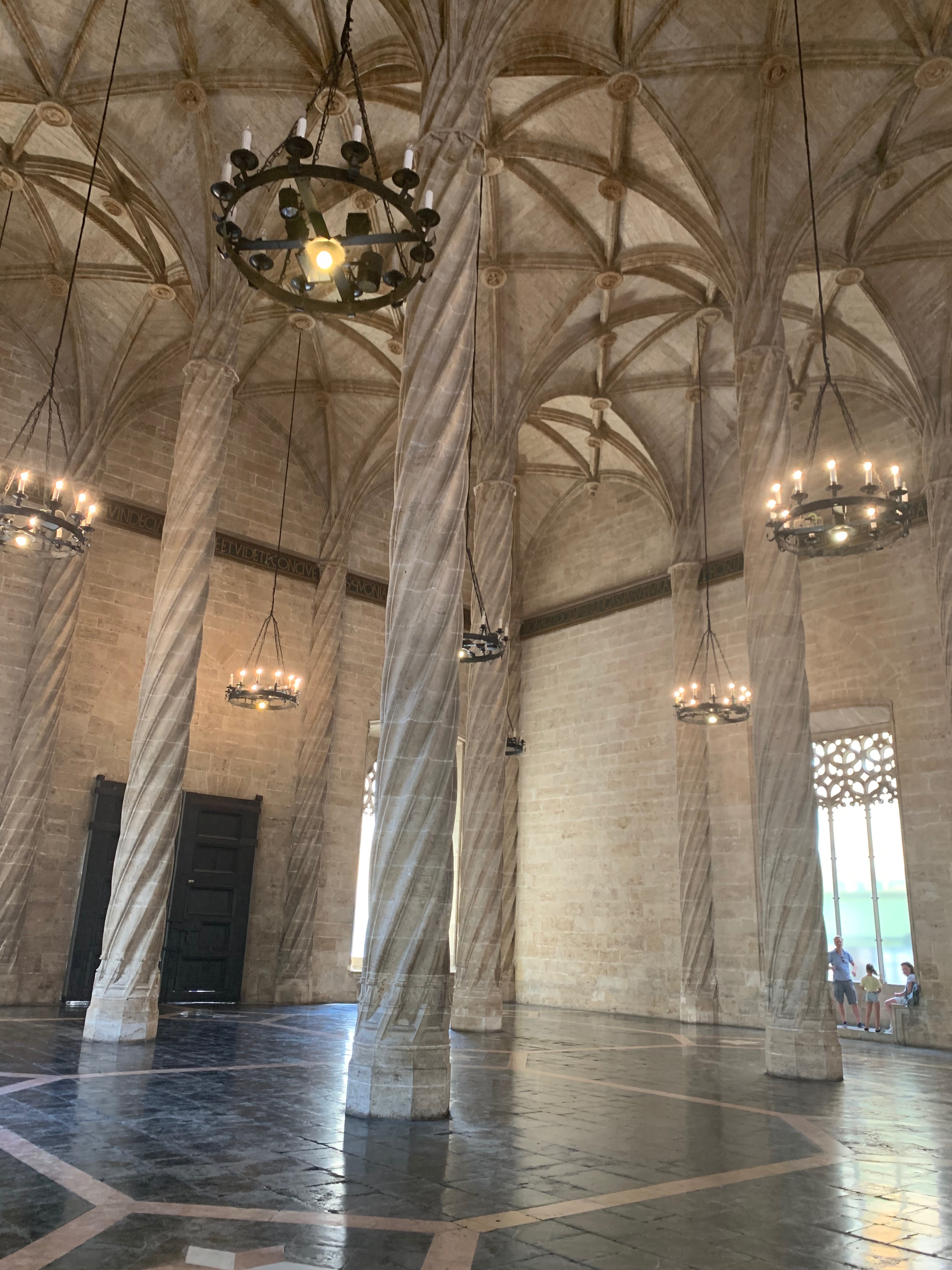
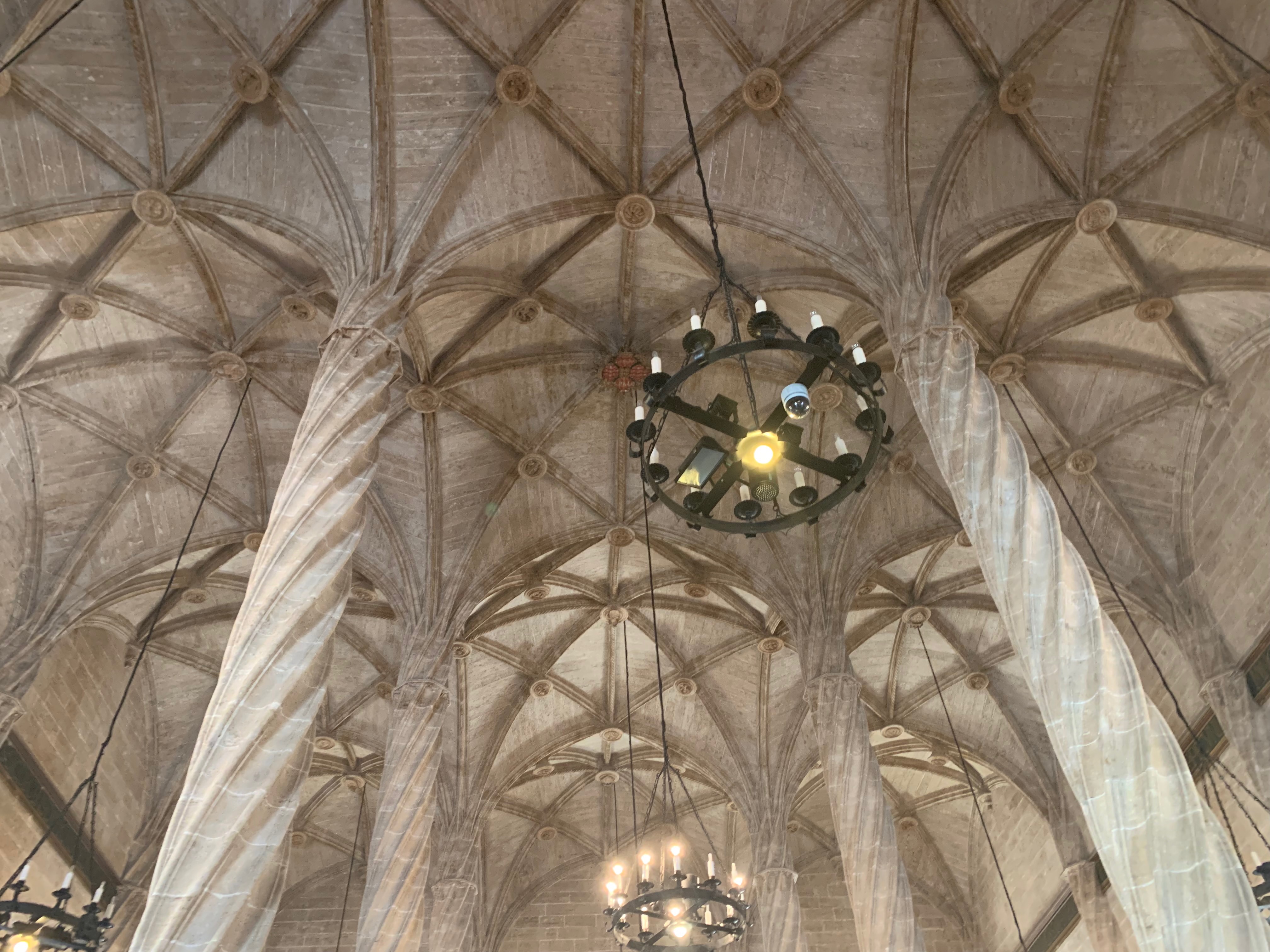
La Lonja: One of Valencia’s UNESCO World Heritage Sites is La Lonja de la Seda, which was a building for trade and negotiations especially for silk in the 15-16th century. It contains three rooms and its structure is notable for being an example of early Gothic architecture, especially its most famous room which is La Sala de Contratación. The space is empty save for eight large twisted columns spiral upwards towards the Gothic ceiling. It is also located in the heart of the city right next to Mercado Central, indicating not only the importance of this building but also reminding us of Valencia’s history as being one of the most important mercantile cities in Spain.
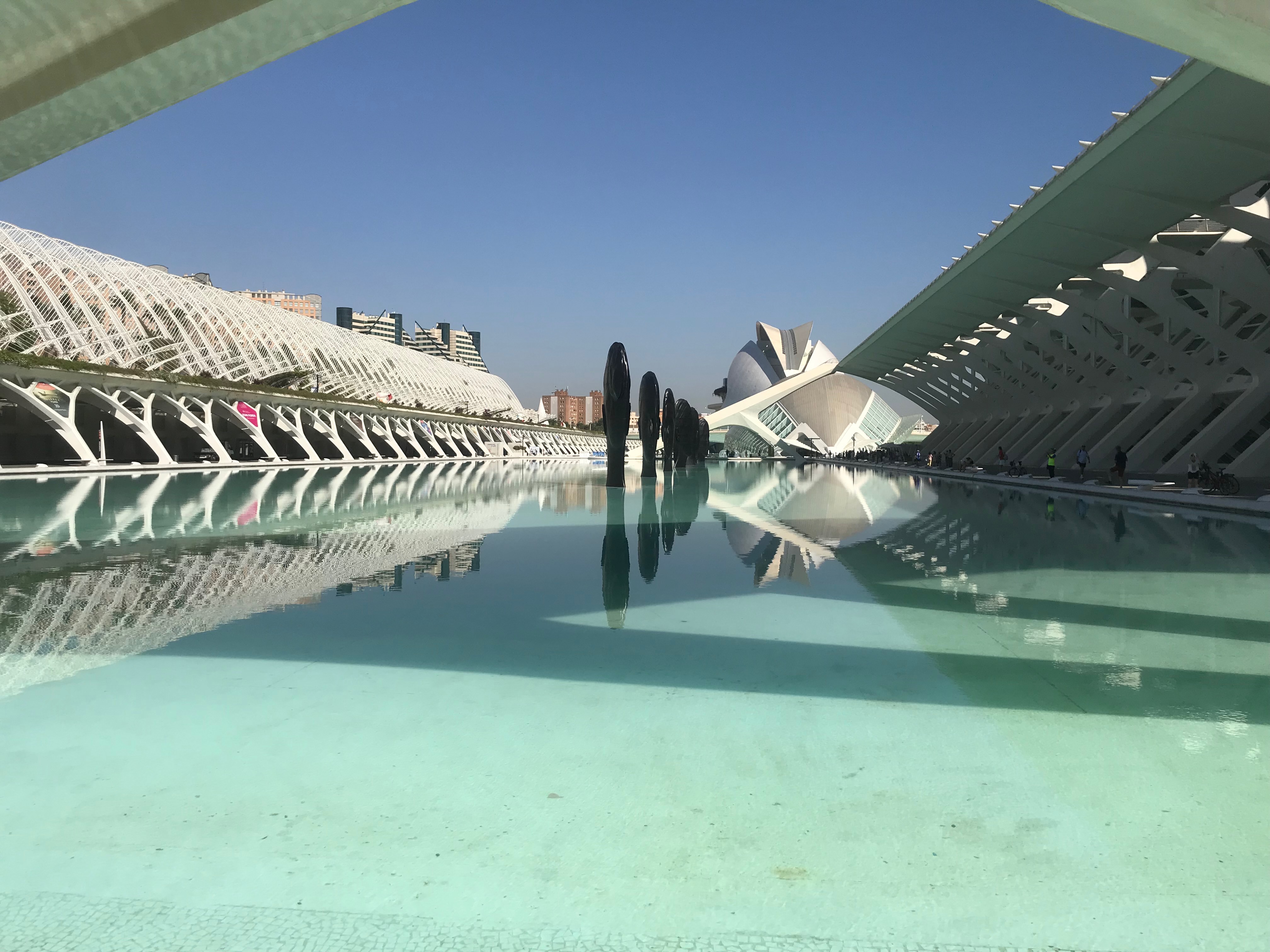
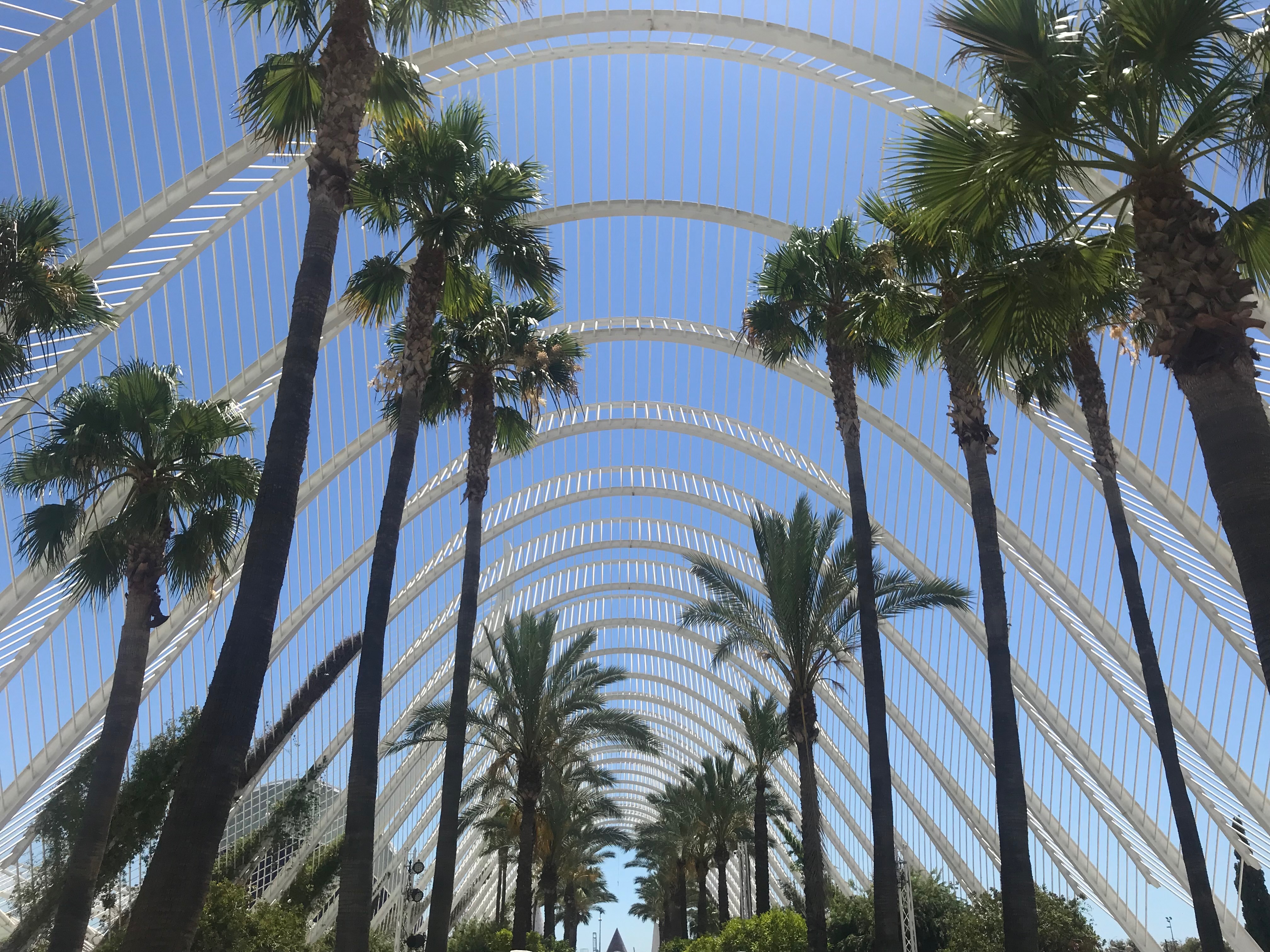
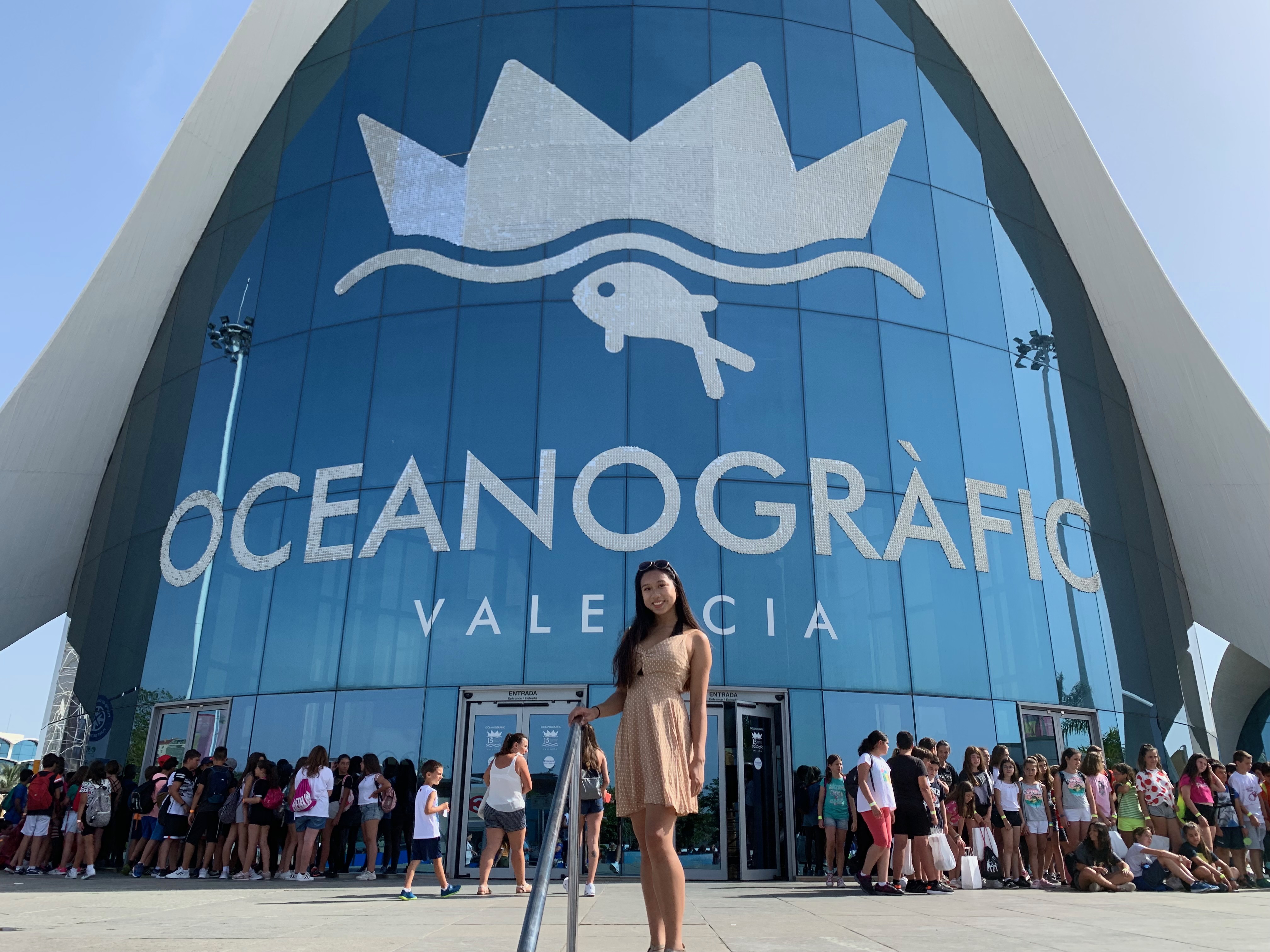
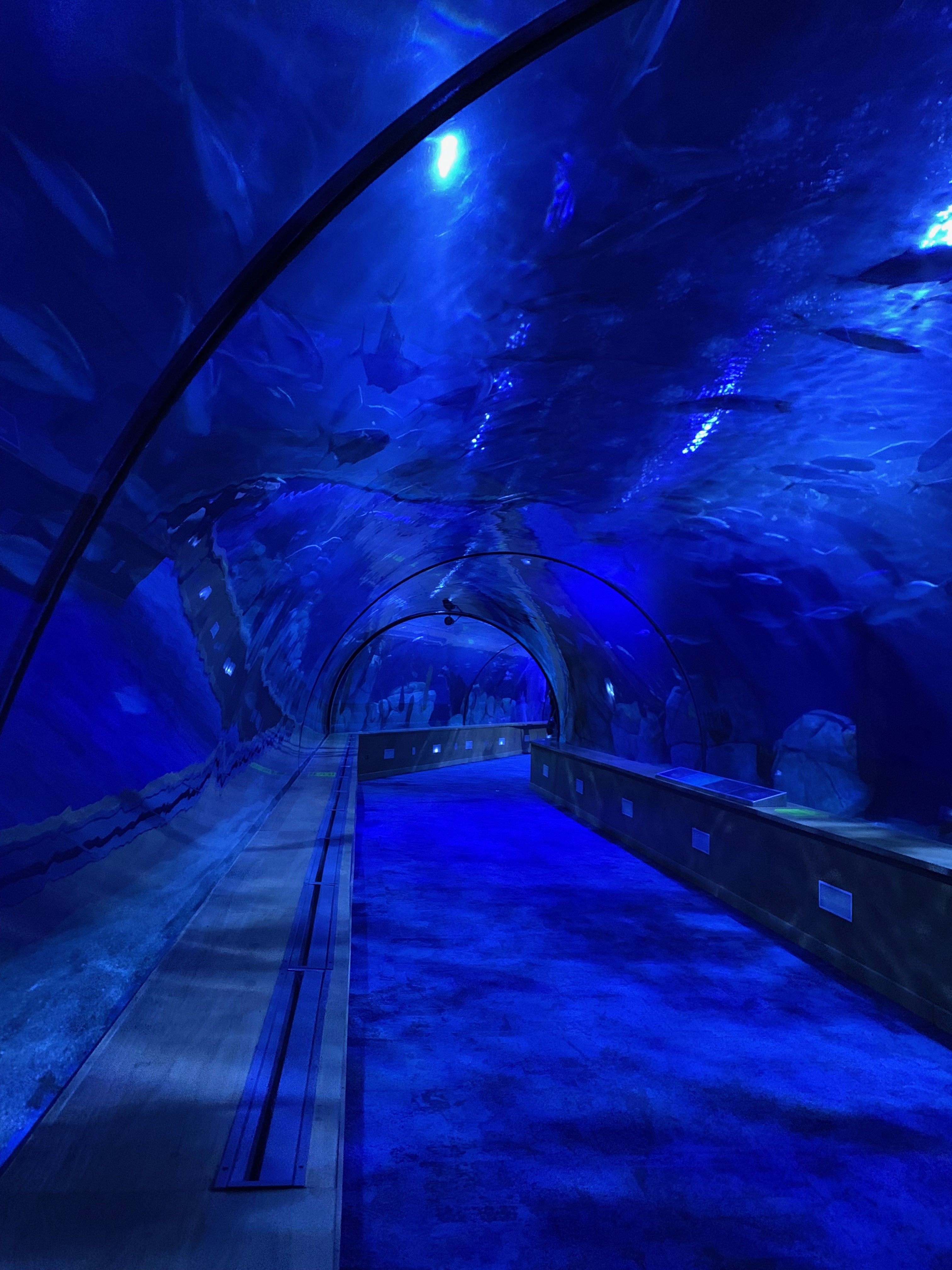
La Ciudad de Artes y Ciencias: “The City of Arts and Sciences” is one of the greatest accomplishments of modern architecture in Valencia. Located near El Río, the futuristic domes and glass buildings consist of a science museum (Museu de les Ciències Príncipe Felipe), a movie theater (Hemisfèric), an aquarium (Oceanogràfic), a theater (Palau de Música), and even clubs (L’Umbracle). This mix of culture and architecture is great evidence of Valencia’s support and love for the arts and sciences.
Museums: If La Ciudad de Artes y Ciencias isn’t enough to convince you of Valencia’s deep-rooted emphasis on history and culture, the museums of the city contains even more evidence of this. El Museo de la Almoina is a museum built around Roman ruins and you can walk through what used to be homes and public towns. My personal favorite part of the museum is the ruins of the public baths which is covered by a glass ceiling with water on it so it can be seen above as a small pool and below as ruins with reflections of the water rippling through. This museum demonstrates the Roman roots and influences in Valencia’s history. El Museo de la Seda is a silk museum and walks you through the history of silk through Valencia and how it affected jobs, trade, and fashion through the years. El Museu de Belles Arts de València is a great art museum that has everything from large panels in gold-gilded frames with religious iconography, sculptures, and paintings by Spanish artists. Growing up near Washington D.C., I’m used to mostly seeing French and Dutch art, so it was nice to see the landscapes and culturally-inspired art created by artists from Spain. El Museo Valenciano de la Ilustración y la Modernidad was not one of my favorites, but had a couple exhibits on Spanish art and photographers that documented their travels through several Spanish cities. It was interesting to see the modern art of Spain as well as the country through others’ eyes. El Museo Nacional de Ceramica y de las Artes is a ceramics museum built in a palace in the city. Along with displaying ceramics from the city and around Spain (which are staple pieces of functional art in the country) are beautiful rooms that were preserved from when the palace was occupied. El Museo de Las Fallas is an important museum that shows the history of Las Fallas, which is an annual parade of large paper-mâché dolls that have changed in subject and theme over the years (although they are often humorous) but holds the culture of Valencia in its roots. At the end of every festival, every doll is burned except for one which is saved to be put on display in the museum. Although this festival has been going on for hundreds of years (the exact origin is unknown), the saving of one doll began in the 1930s.
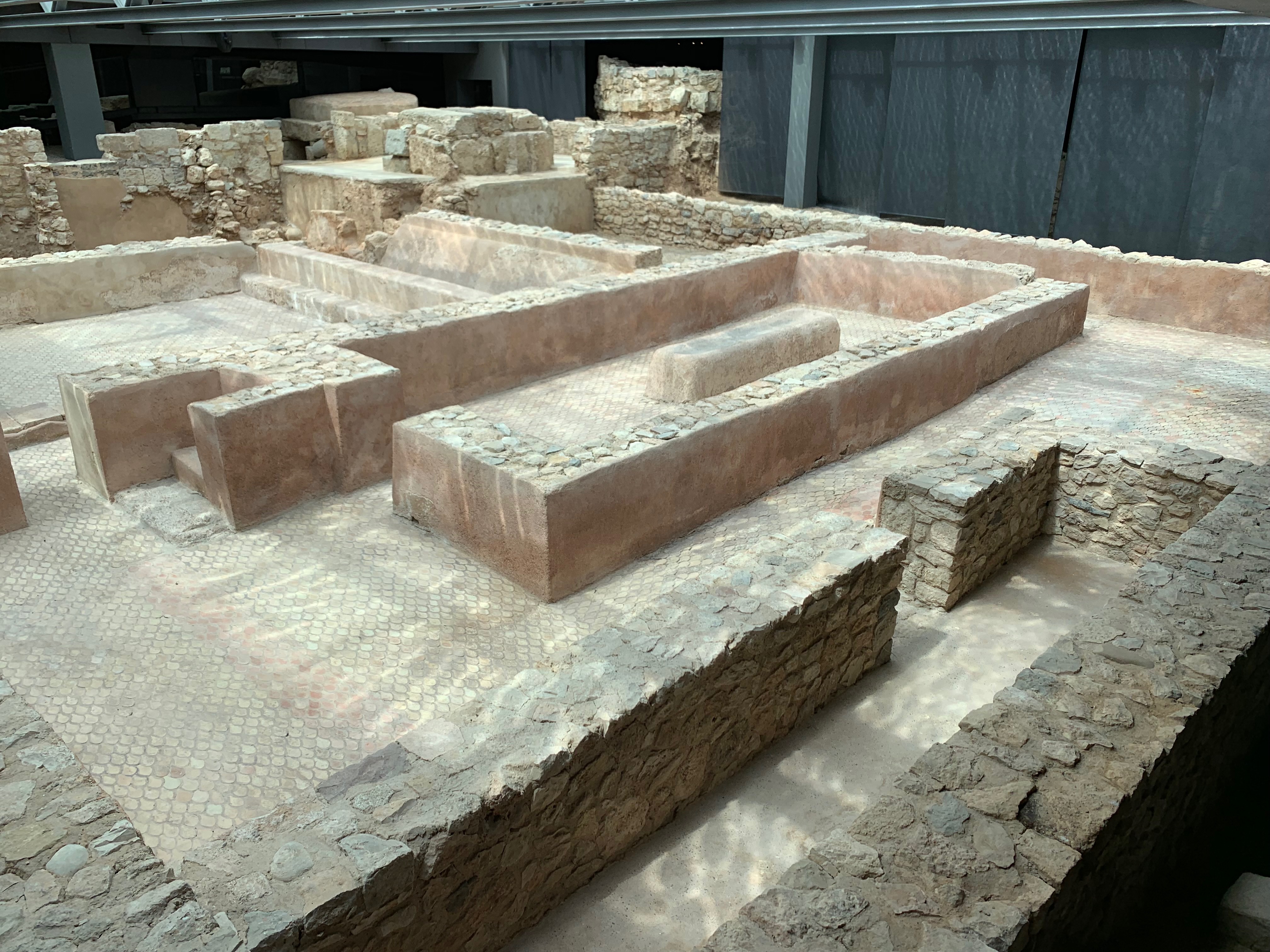
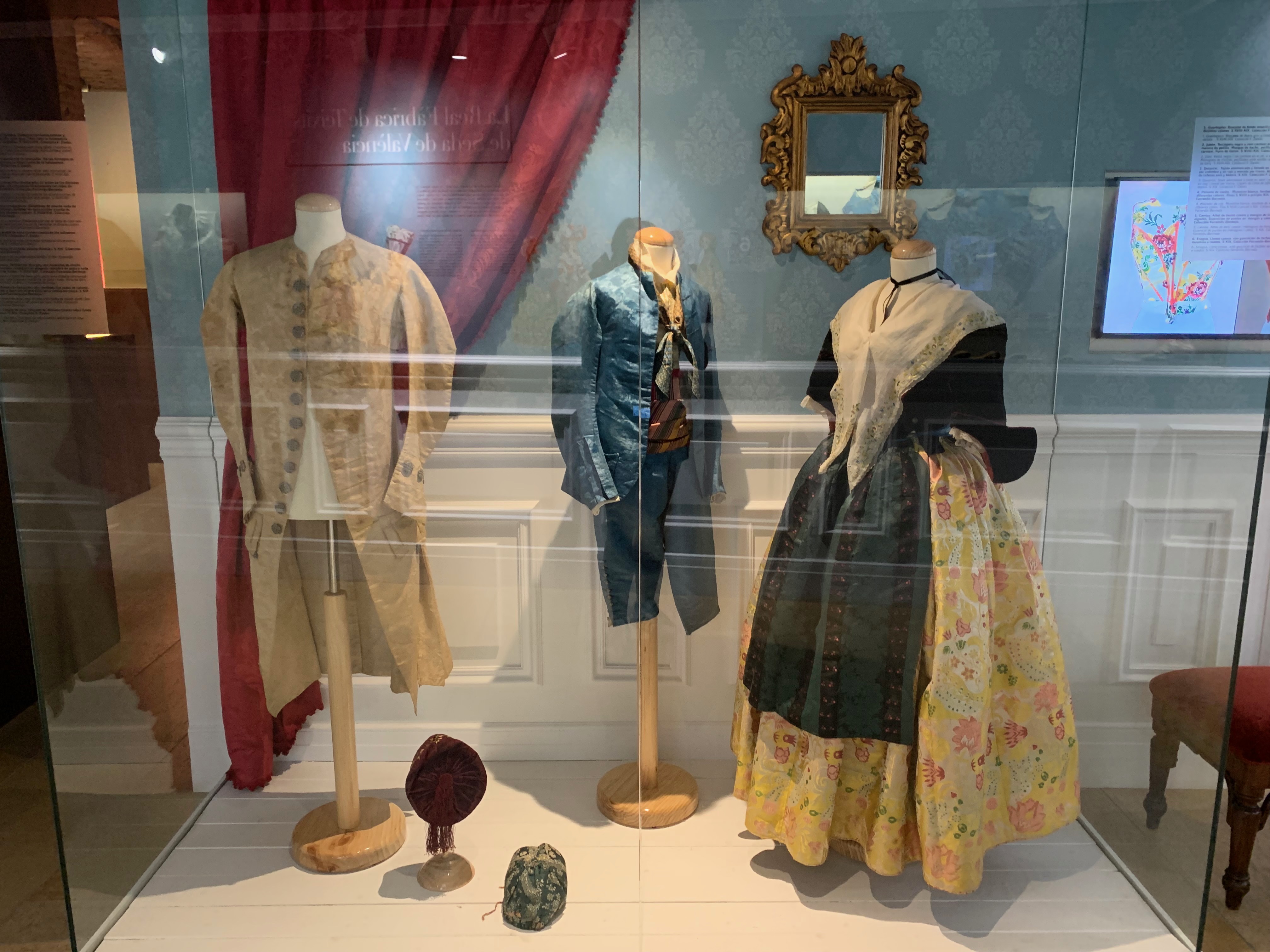
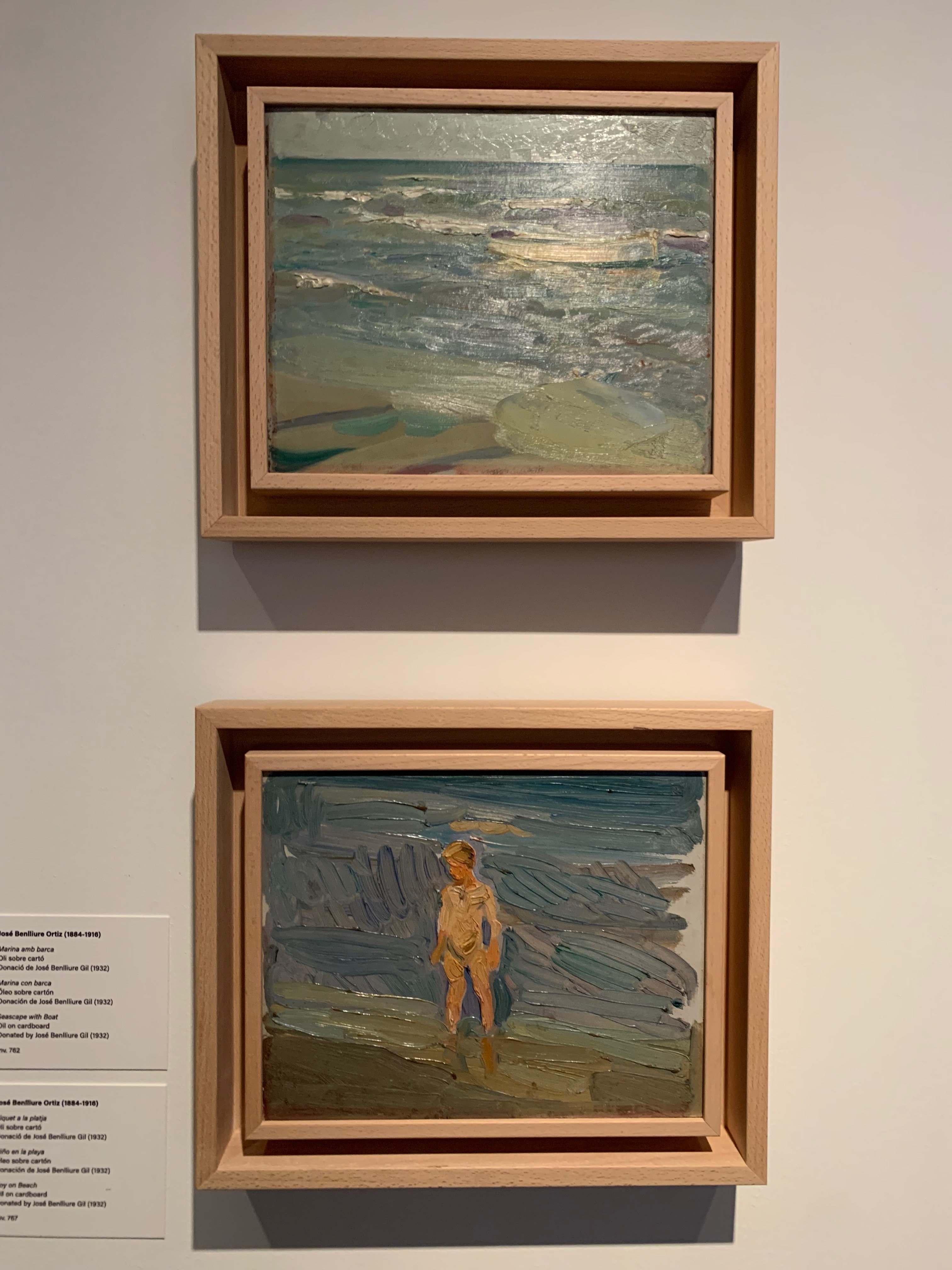
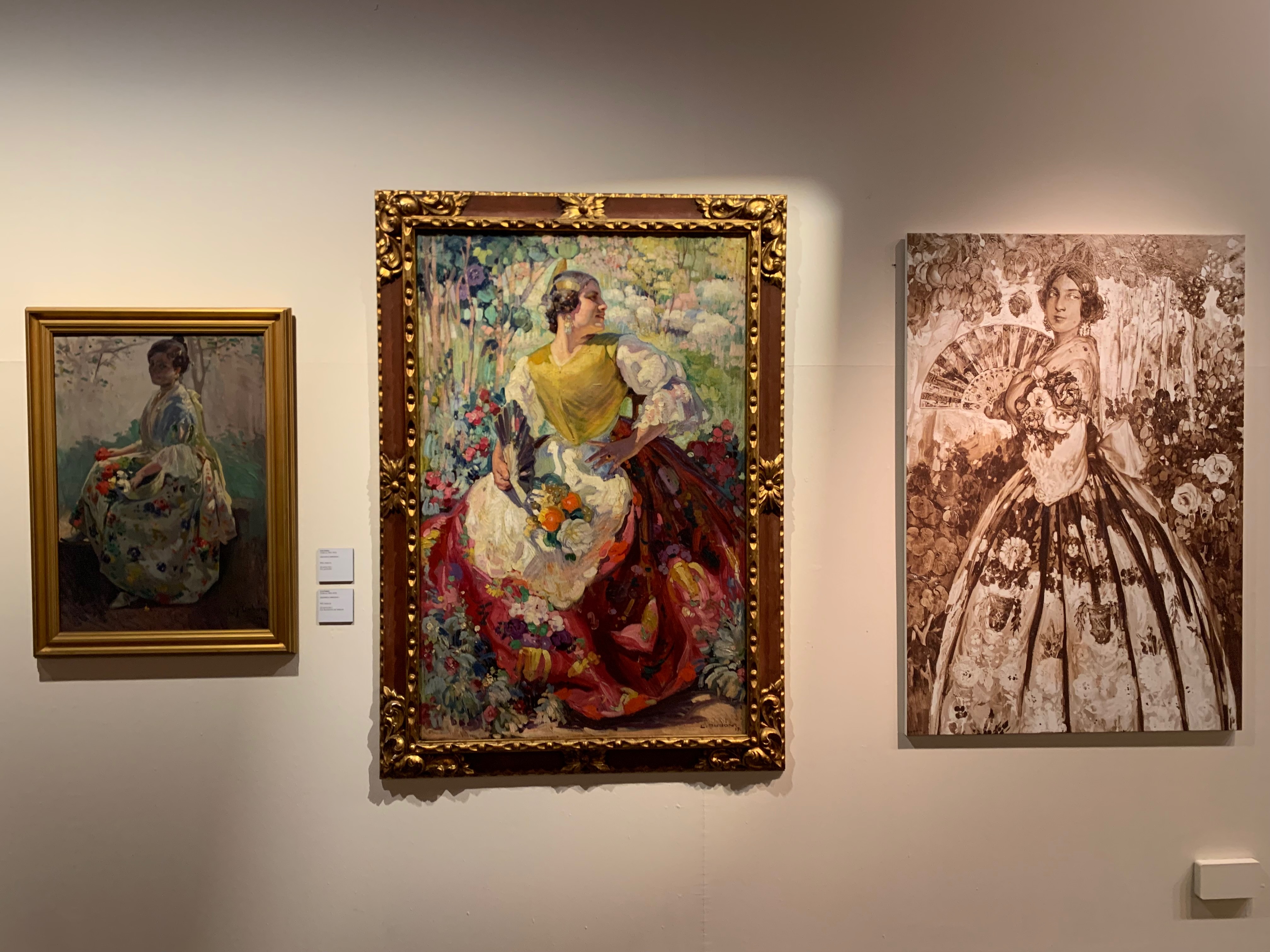
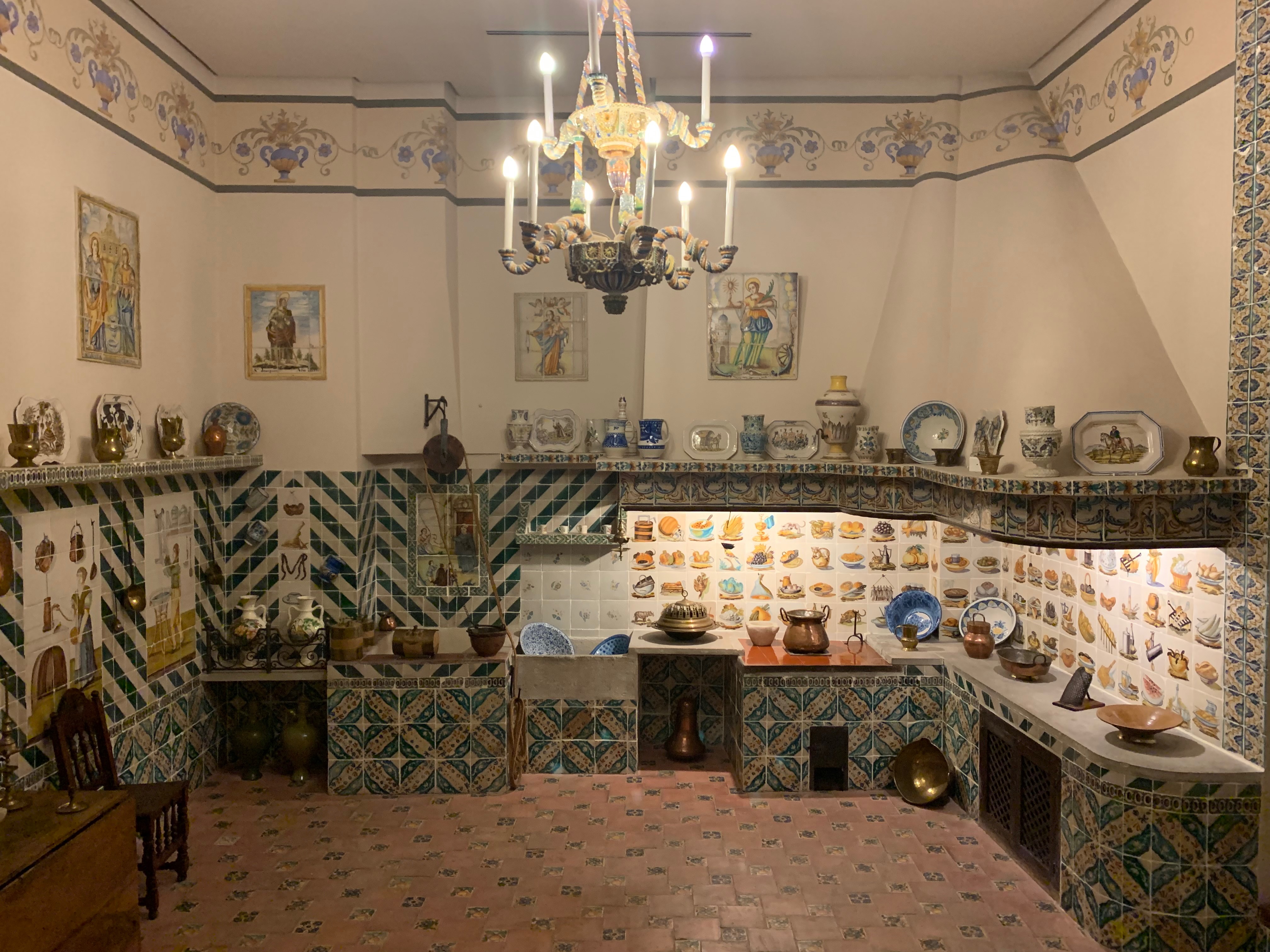
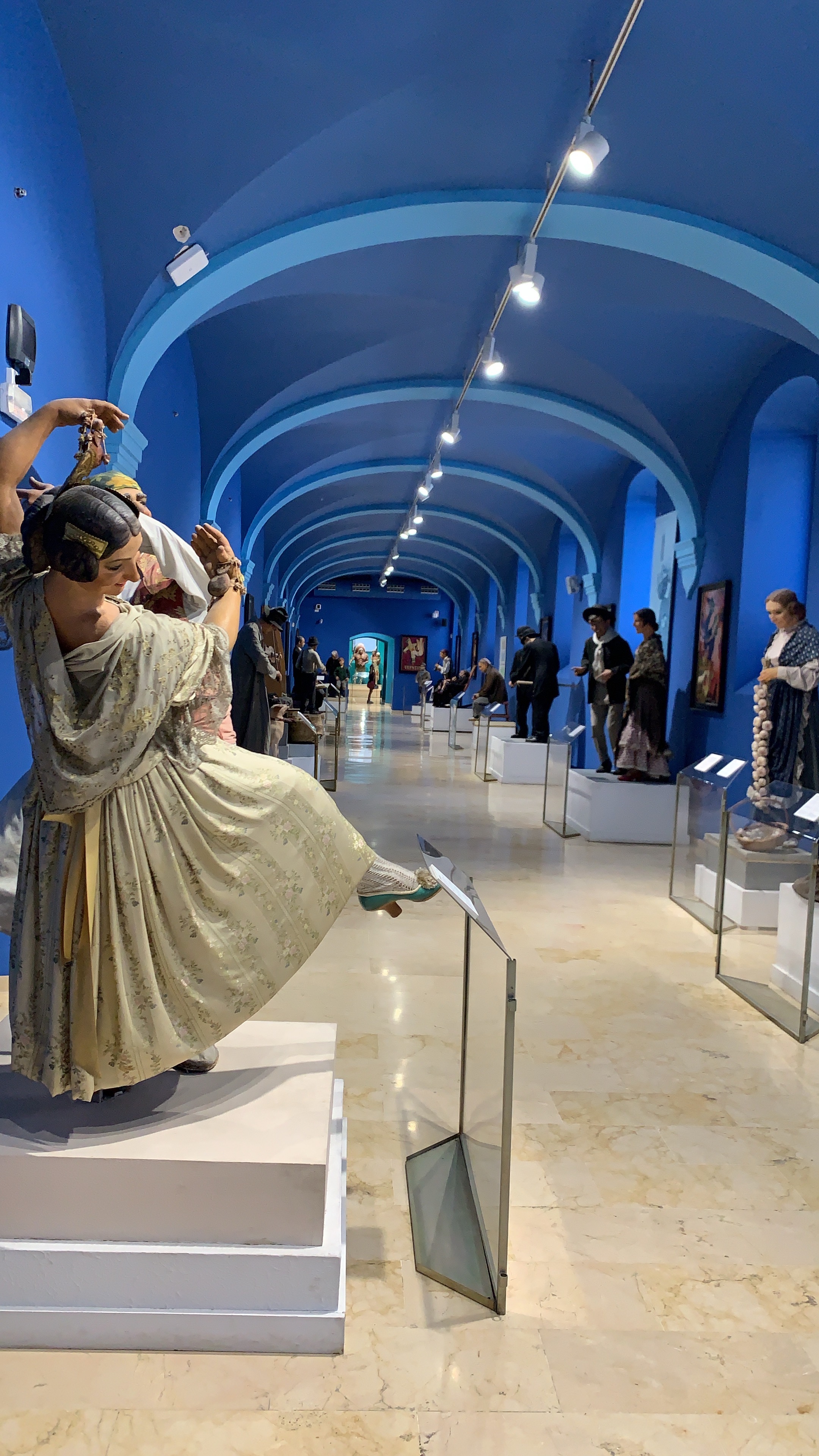
1: El Museo de la Almoina 2: El Museo de la Seda 3: El Museu de Belles Arts de València 4: El Museo Valenciano de la Ilustración y la Modernidad 5: El Museo Nacional de Ceramica y de las Artes 6: El Museo de Las Fallas
Cultural TL;DR: It isn’t a bad thing to go to “touristy” locations of a city, especially on a tight schedule, as long as you take along with you the mindset that every location has a purpose to the culture and history of a city.
 An American in Valencia